


In the ever - evolving automotive industry, the choice of materials for automotive interiors is of paramount importance. High - density PVC board is a material that has caught the attention of many automotive designers and manufacturers. As a high - density PVC board supplier, I'd like to delve into the question: Can high - density PVC board be used in automotive interiors?
1. Properties of High - Density PVC Board
High - density PVC board is a versatile material with several notable properties. First and foremost, it has excellent mechanical strength. The high density of the board means it can withstand a certain amount of pressure and impact without deforming easily. This is crucial in automotive interiors, where parts may be subject to accidental knocks or the stress of daily use. For example, the door panels in a car need to be able to resist the force when a passenger opens or closes the door.
Secondly, high - density PVC board has good chemical resistance. It can resist the corrosion of many common chemicals, such as oils, cleaning agents, and sweat. In an automotive environment, these substances are often present. For instance, engine oil may accidentally splash onto the interior parts during maintenance, and cleaning agents are used regularly to keep the car clean. The chemical resistance of high - density PVC board ensures its long - term durability in such an environment.
In addition, high - density PVC board has a relatively smooth surface. This not only gives it an aesthetically pleasing appearance but also makes it easy to clean. A clean and shiny interior is one of the factors that customers consider when purchasing a car. The smooth surface can be wiped clean with a damp cloth, removing dirt and stains quickly.
2. Advantages of Using High - Density PVC Board in Automotive Interiors
2.1 Design Flexibility
One of the significant advantages of high - density PVC board is its design flexibility. It can be easily cut, shaped, and molded into various forms. Automotive designers can create unique and complex interior designs using high - density PVC board. For example, it can be used to make custom - shaped dashboard components, center consoles with intricate patterns, or even decorative trims. This flexibility allows car manufacturers to differentiate their products in the highly competitive market.
2.2 Cost - Effectiveness
Compared to some high - end materials like real wood or high - grade leather, high - density PVC board is more cost - effective. It offers similar aesthetic and functional properties at a lower price. For mass - produced cars, cost is a crucial factor. By using high - density PVC board, manufacturers can reduce the production cost without sacrificing too much in terms of quality and appearance. This cost - saving can be passed on to the consumers, making the cars more affordable.
2.3 Lightweight
Although high - density PVC board has a relatively high density compared to some other foam materials, it is still lightweight compared to traditional materials like metal. In the automotive industry, weight reduction is an important goal as it can improve fuel efficiency. Using high - density PVC board in the interior can contribute to the overall weight reduction of the car, which in turn reduces fuel consumption and emissions.
3. Comparison with Other Materials Commonly Used in Automotive Interiors
3.1 Comparison with Real Wood
Real wood is often used in high - end cars to create a luxurious and warm interior. However, real wood has some drawbacks. It is more expensive, and it requires more maintenance. Wood can be damaged by moisture, sunlight, and scratches. In contrast, high - density PVC board can mimic the appearance of real wood through printing and surface treatment techniques. It is more resistant to environmental factors and easier to maintain, making it a practical alternative for a wide range of cars.
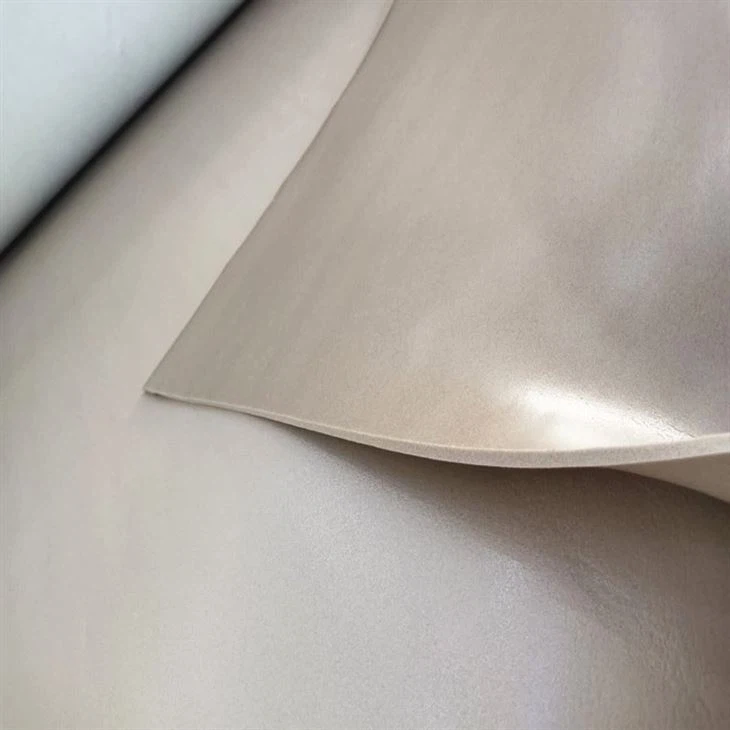
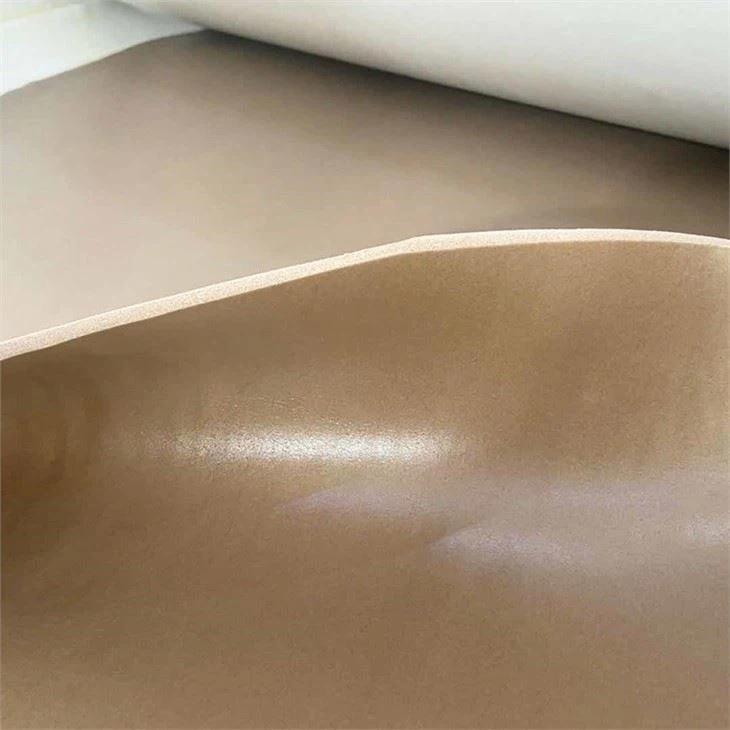
3.2 Comparison with Leather
Leather is another popular material for automotive interiors, especially in luxury cars. It provides a soft and comfortable touch. However, leather is also expensive and sensitive to temperature and humidity. It can crack or fade over time. High - density PVC board can be made to have a leather - like texture and appearance. It is more durable and less affected by environmental conditions, offering a more economical and long - lasting option.
3.3 Comparison with Closed Cell PVC Foam
Closed cell PVC foam is also used in automotive interiors. It is known for its excellent insulation properties. However, high - density PVC board has higher mechanical strength. While closed cell PVC foam may be suitable for some applications where insulation is the primary concern, high - density PVC board is better for parts that need to withstand more stress, such as seat frames or door linings.
4. Challenges and Solutions
4.1 Fire Resistance
One of the challenges of using high - density PVC board in automotive interiors is its fire resistance. PVC is a flammable material. To address this issue, manufacturers can add fire - retardant additives to the PVC during the production process. These additives can significantly improve the fire - resistance of the high - density PVC board, meeting the strict fire - safety standards in the automotive industry.
4.2 Odor
Some PVC products may emit a certain odor, especially when they are new. This can be a problem in the enclosed space of a car. To solve this problem, advanced manufacturing techniques can be used to reduce the volatile organic compounds (VOCs) in the high - density PVC board. Additionally, proper ventilation during the manufacturing and assembly process can help to dissipate any remaining odors.
5. Applications of High - Density PVC Board in Automotive Interiors
5.1 Dashboard
The dashboard is one of the most prominent parts of the automotive interior. High - density PVC board can be used to make the dashboard panels. Its smooth surface can be printed with various patterns and graphics, creating an attractive and modern look. The mechanical strength of the board ensures that it can support the various components installed on the dashboard, such as the instrument cluster and air vents.
5.2 Door Panels
Door panels need to be both durable and aesthetically pleasing. High - density PVC board can meet these requirements. It can be shaped to fit the contour of the car door and can be decorated with different finishes. The chemical resistance of the board makes it suitable for withstanding the wear and tear from passengers' hands and the exposure to the outside environment.
5.3 Center Console
The center console is a functional and decorative element in the car. High - density PVC board can be used to create a sleek and stylish center console. It can be designed to have compartments for storing small items, and its smooth surface is easy to clean, maintaining a tidy appearance.
6. Future Outlook
The future of high - density PVC board in automotive interiors looks promising. With the continuous improvement of manufacturing technology, the performance of high - density PVC board will be further enhanced. For example, new additives can be developed to improve its fire resistance and reduce its environmental impact. The design flexibility of high - density PVC board will also allow for more innovative and personalized automotive interior designs.
In addition, as the demand for more cost - effective and lightweight materials in the automotive industry grows, high - density PVC board is likely to gain more market share. It can be combined with other materials, such as Lightweight Closed Cell PVC Foam Sheet and High Density PVC Foam Sheet, to create composite materials with better performance.
7. Conclusion
In conclusion, high - density PVC board has great potential for use in automotive interiors. Its mechanical strength, chemical resistance, design flexibility, and cost - effectiveness make it a viable alternative to many traditional materials. Although there are some challenges, such as fire resistance and odor, these can be effectively addressed through technological improvements.
As a high - density PVC board supplier, I am confident that our products can meet the diverse needs of the automotive industry. Whether you are an automotive designer looking for innovative materials or a car manufacturer aiming to reduce costs and improve quality, high - density PVC board is worth considering. If you are interested in learning more about our high - density PVC board products or would like to discuss potential applications in automotive interiors, please feel free to contact us for further procurement negotiations.
References
- "Automotive Interior Materials: Trends and Developments" - Industry Report
- "Properties and Applications of PVC in the Automotive Industry" - Journal of Materials Science
- "Advances in Fire - Retardant Additives for PVC" - Chemical Engineering Journal