

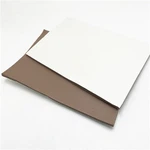

Hey there! As a supplier of PVC Foam Material, I often get asked if PVC foam material can be painted. Well, the short answer is yes, but there's a lot more to it than just slapping on some paint. Let's dive into the details.
Understanding PVC Foam Material
First off, let's talk a bit about what PVC foam material is. PVC, or polyvinyl chloride, is a synthetic plastic polymer that's widely used in various industries. PVC foam material is a lightweight, durable, and versatile product that comes in different types, such as Closed Cell High Temperature PVC Foam and Closed Cell PVC For Damping. It has a closed-cell structure, which gives it excellent insulation properties, moisture resistance, and buoyancy.
Why Paint PVC Foam Material?
There are several reasons why you might want to paint PVC foam material. One of the most common reasons is for aesthetic purposes. You can customize the look of your PVC foam products to match your design or branding requirements. Whether you're making signage, displays, or decorative items, painting can give your PVC foam a professional and finished look.
Another reason is for protection. A good coat of paint can provide an additional layer of protection against UV rays, scratches, and wear and tear. This can extend the lifespan of your PVC foam products, especially if they're used outdoors or in high-traffic areas.
Factors to Consider Before Painting
Before you start painting your PVC foam material, there are a few factors you need to consider.
Surface Preparation
The key to a successful paint job on PVC foam material is proper surface preparation. PVC foam has a smooth, non-porous surface, which can make it difficult for paint to adhere. That's why it's important to clean the surface thoroughly to remove any dirt, grease, or dust. You can use a mild detergent and water solution to clean the surface, and then rinse it well and let it dry completely.
After cleaning, you may also want to sand the surface lightly to create a rough texture that will help the paint adhere better. Use a fine-grit sandpaper and sand in a circular motion. Be careful not to sand too hard, as this can damage the PVC foam.
Type of Paint
Not all paints are suitable for PVC foam material. You need to choose a paint that's specifically designed for use on plastics. Acrylic paints are a popular choice because they're durable, flexible, and have good adhesion to PVC foam. They also come in a wide range of colors and finishes, so you can choose the one that best suits your needs.
Some paints may require a primer to be applied first. A primer can help the paint adhere better and provide a more uniform finish. Make sure to choose a primer that's compatible with both the PVC foam material and the paint you're using.
Environmental Conditions
The temperature and humidity conditions during the painting process can also affect the quality of the paint job. It's best to paint in a well-ventilated area with a temperature between 50°F and 85°F (10°C and 29°C) and a relative humidity between 40% and 60%. Avoid painting in direct sunlight or in extreme weather conditions, as this can cause the paint to dry too quickly or not dry properly.
Painting Process
Once you've prepared the surface and chosen the right paint, it's time to start painting. Here's a step-by-step guide on how to paint PVC foam material:
- Apply the Primer (if required): If your paint requires a primer, apply it evenly to the surface of the PVC foam using a brush, roller, or spray gun. Follow the manufacturer's instructions for the recommended number of coats and drying time between coats.
- Paint the First Coat: Once the primer is dry, apply the first coat of paint. Use long, even strokes and apply the paint in a thin, consistent layer. Avoid overloading the brush, roller, or spray gun, as this can cause drips and runs.
- Let the First Coat Dry: Allow the first coat of paint to dry completely before applying the second coat. The drying time will depend on the type of paint and the environmental conditions. Check the manufacturer's instructions for the recommended drying time.
- Apply the Second Coat: Once the first coat is dry, apply the second coat of paint in the same manner as the first coat. Make sure to cover any areas that may have been missed or that need additional coverage.
- Let the Second Coat Dry: Allow the second coat of paint to dry completely. Depending on the type of paint and the environmental conditions, this may take several hours or even a few days.
- Optional: Apply a Clear Coat: If you want to add an extra layer of protection and a glossy finish to your painted PVC foam material, you can apply a clear coat. Follow the manufacturer's instructions for the recommended number of coats and drying time.
Tips for a Successful Paint Job
Here are some additional tips to help you achieve a successful paint job on PVC foam material:
- Test the Paint: Before you start painting the entire surface, it's a good idea to test the paint on a small, inconspicuous area of the PVC foam. This will allow you to see how the paint adheres and how it looks on the material.
- Use the Right Tools: Use high-quality brushes, rollers, or spray guns to apply the paint. This will help you achieve a smooth, even finish.
- Apply Thin Coats: It's better to apply multiple thin coats of paint than one thick coat. Thin coats dry faster and are less likely to drip or run.
- Be Patient: Painting PVC foam material takes time and patience. Don't rush the process, and make sure to allow each coat of paint to dry completely before applying the next one.
Conclusion
So, can PVC foam material be painted? Absolutely! With the right preparation, paint, and technique, you can achieve a beautiful and durable paint job on your PVC foam products. Whether you're looking to customize the look of your signage, protect your outdoor items, or add a decorative touch to your projects, painting PVC foam material is a great option.
If you're interested in purchasing PVC Foam Material for your next project, feel free to get in touch with us. We're here to help you find the right PVC foam products and provide you with all the information you need to ensure a successful paint job. Let's work together to bring your ideas to life!

References
- "Painting PVC Foam Board: A Comprehensive Guide." DIY Home Improvement Blog.
- "Choosing the Right Paint for PVC Plastic." Paint Manufacturer's Website.