



As a supplier of PVC Glazing Foam Tape, I often get asked about the suitability of our products for various applications. One question that comes up frequently is whether PVC glazing foam tape can be used in bathrooms. In this blog post, I'll explore this topic in detail, looking at the properties of PVC glazing foam tape, the conditions in bathrooms, and the potential benefits and drawbacks of using it in this environment.
Understanding PVC Glazing Foam Tape
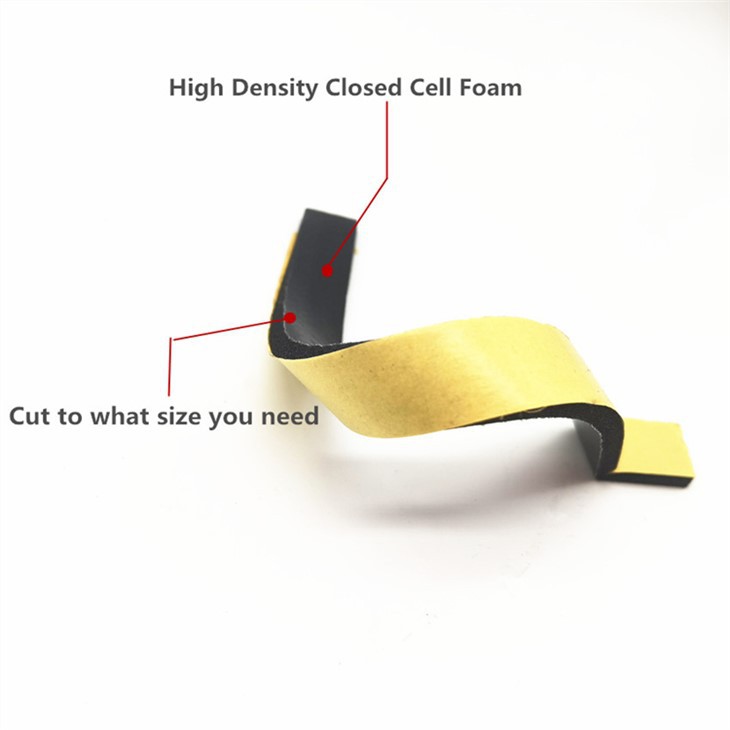
PVC glazing foam tape is a versatile product that is commonly used in construction and DIY projects. It is made from polyvinyl chloride (PVC), a synthetic plastic polymer known for its durability, flexibility, and resistance to moisture. The tape typically has a foam core, which provides cushioning and insulation, and an adhesive backing that allows it to stick to various surfaces.
There are different types of PVC glazing foam tape available on the market, each with its own characteristics and applications. For example, PVC Foam Glazing Tape is a double-sided tape that is ideal for bonding glass, metal, and plastic. High Density PVC Glazing Tape offers greater strength and durability, making it suitable for more demanding applications. And Self Adhesive High Density PVC Foam Tape is easy to apply and provides a strong bond.
The Bathroom Environment
Bathrooms are unique environments that are characterized by high levels of moisture, humidity, and temperature fluctuations. These conditions can have a significant impact on the performance of building materials, including PVC glazing foam tape.
Moisture is one of the biggest challenges in bathrooms. Constant exposure to water can cause materials to swell, warp, and deteriorate over time. Humidity can also lead to the growth of mold and mildew, which can not only damage the tape but also pose a health risk. Temperature fluctuations, such as those caused by hot showers and cold air conditioning, can cause the tape to expand and contract, potentially weakening its adhesive bond.
Benefits of Using PVC Glazing Foam Tape in Bathrooms
Despite the challenges posed by the bathroom environment, there are several benefits to using PVC glazing foam tape in this setting:
- Water Resistance: PVC is inherently resistant to water, which makes it a good choice for bathrooms. The foam core of the tape also helps to prevent water from seeping through, providing an additional layer of protection.
- Sealing Properties: PVC glazing foam tape can create a tight seal between surfaces, helping to prevent water and air leakage. This can improve the energy efficiency of the bathroom and reduce the risk of water damage.
- Flexibility: The foam core of the tape allows it to conform to irregular surfaces, making it easy to install around corners and edges. This flexibility also helps to absorb shock and vibration, reducing the risk of damage to the tape and the surrounding materials.
- Easy Installation: PVC glazing foam tape is self-adhesive, which means it can be easily applied without the need for additional tools or adhesives. This makes it a convenient and cost-effective solution for DIY projects.
Drawbacks of Using PVC Glazing Foam Tape in Bathrooms
While there are many benefits to using PVC glazing foam tape in bathrooms, there are also some potential drawbacks to consider:

- Adhesive Degradation: Over time, the adhesive on the tape may degrade due to exposure to moisture, humidity, and temperature fluctuations. This can cause the tape to lose its grip and potentially peel away from the surface.
- Mold and Mildew Growth: If the tape is not properly installed or maintained, it can provide a breeding ground for mold and mildew. This can not only damage the tape but also pose a health risk to the occupants of the bathroom.
- Aesthetic Concerns: PVC glazing foam tape may not be the most aesthetically pleasing option for bathrooms. It can be visible on the surface, which may not be desirable in some applications.
Tips for Using PVC Glazing Foam Tape in Bathrooms
If you decide to use PVC glazing foam tape in your bathroom, here are some tips to help ensure its success:
- Choose the Right Tape: Make sure to choose a PVC glazing foam tape that is specifically designed for use in wet environments. Look for tapes that are labeled as water-resistant or waterproof.
- Prepare the Surface: Before applying the tape, make sure the surface is clean, dry, and free of any dirt, grease, or debris. This will help to ensure a strong adhesive bond.
- Apply the Tape Correctly: Follow the manufacturer's instructions carefully when applying the tape. Make sure to apply it evenly and firmly, and use a roller or other tool to ensure good contact between the tape and the surface.
- Seal the Edges: To prevent water from seeping under the tape, seal the edges with a waterproof caulk or sealant. This will help to create a more effective barrier against moisture.
- Maintain the Tape: Regularly inspect the tape for any signs of damage or wear. If you notice any issues, such as peeling or discoloration, replace the tape as soon as possible.
Conclusion
In conclusion, PVC glazing foam tape can be a viable option for use in bathrooms, provided that it is chosen and installed correctly. The tape's water resistance, sealing properties, flexibility, and easy installation make it a convenient and cost-effective solution for many bathroom applications. However, it is important to be aware of the potential drawbacks, such as adhesive degradation and mold growth, and to take steps to mitigate these risks.
If you have any questions about using PVC glazing foam tape in your bathroom or would like to learn more about our products, please don't hesitate to contact us. We are a leading supplier of PVC glazing foam tape and can provide you with the information and support you need to make the right choice for your project. Whether you're a DIY enthusiast or a professional contractor, we're here to help you find the perfect solution for your needs.
References
- ASTM International. (2023). Standard Specification for Polyvinyl Chloride (PVC) Foam Tape. ASTM D4228.
- Building Science Corporation. (2023). Moisture Control in Bathrooms. Retrieved from [Website URL]
- National Association of Home Builders. (2023). Bathroom Design and Construction Guidelines. Retrieved from [Website URL]