


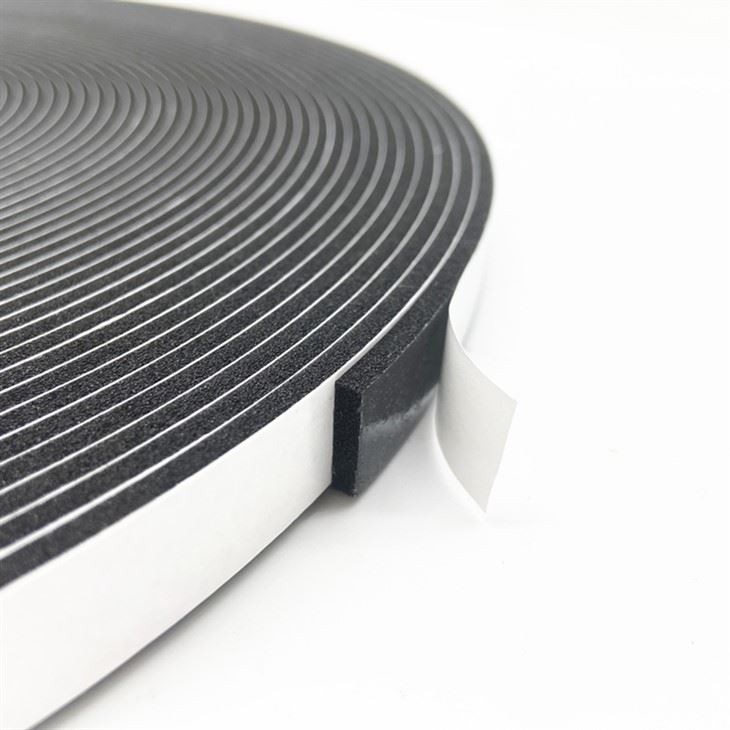
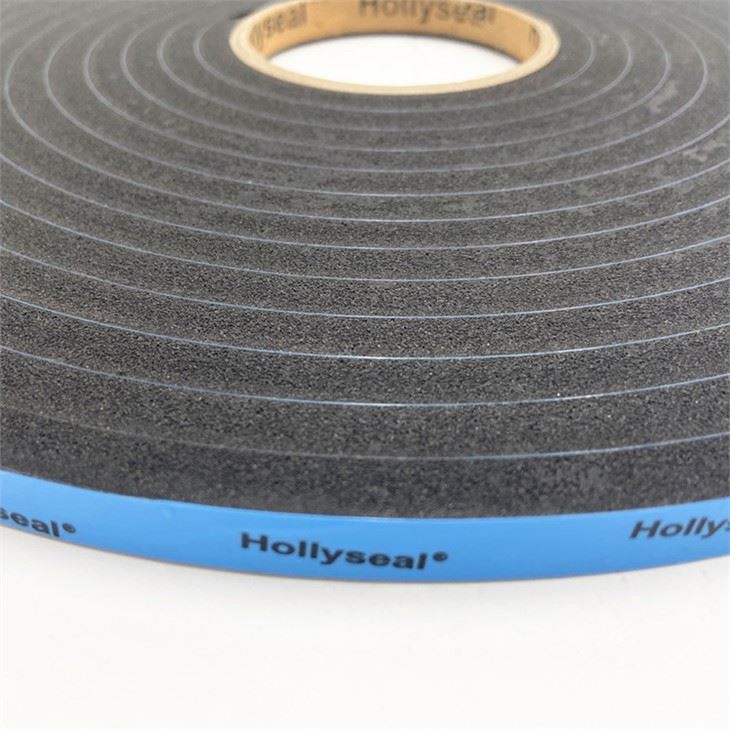
Gasket foam tape is a versatile product widely used in various industries, from automotive to electronics, construction to aerospace. One question that often comes up is whether gasket foam tape has good electrical insulation properties. As a supplier of gasket foam tape, I am here to delve into this topic, exploring the factors that influence its electrical insulation capabilities and its practical applications.
Understanding Electrical Insulation
Before we discuss the electrical insulation properties of gasket foam tape, it's essential to understand what electrical insulation means. Electrical insulation is the process of preventing the flow of electric current through a material. Insulators have high electrical resistance, which restricts the movement of electrons. Good electrical insulators are crucial in many applications to protect against electrical shocks, short - circuits, and energy loss.
Factors Affecting Electrical Insulation of Gasket Foam Tape
Material Composition
The material from which the gasket foam tape is made significantly impacts its electrical insulation properties. Common materials used for gasket foam tape include polyethylene (PE), polyurethane (PU), and polyvinyl chloride (PVC).
PVC - based gasket foam tapes, such as the PVC Double Sided Foam Tape, generally have excellent electrical insulation properties. PVC is a polymer with a relatively high electrical resistance. It has a stable molecular structure that restricts the movement of electrons, making it a suitable material for electrical insulation applications.
Polyethylene foam tapes also exhibit good insulation. PE is a non - polar polymer, which means it has no free - moving ions or electrons that can conduct electricity easily. This makes PE foam tapes a reliable choice for electrical insulation in low - voltage applications.
Density
The density of the gasket foam tape affects its electrical insulation. High - density foam tapes, like High Density Structural Spacer Tape, usually have better electrical insulation. Higher density means there are more molecules packed closely together, which can create more barriers for the flow of electricity. The increased number of molecular interactions within the dense foam restricts the movement of electrons, enhancing the tape's ability to insulate.
Thickness
Thickness is another important factor. A thicker gasket foam tape generally provides better electrical insulation. As the tape's thickness increases, the path that an electric current must travel through the material becomes longer. This longer path results in more resistance to the current flow, reducing the likelihood of electrical conduction through the tape.
Testing Electrical Insulation of Gasket Foam Tape
To determine the electrical insulation properties of gasket foam tape, various tests are conducted. One of the most common tests is the measurement of electrical resistance. The resistance of the tape is measured using a device called a multimeter. A higher resistance value indicates better electrical insulation.
Another important test is the dielectric strength test. The dielectric strength is the maximum electric field that an insulating material can withstand without breaking down and allowing current to flow. Gasket foam tapes with high dielectric strength are more suitable for high - voltage applications.
Practical Applications of Gasket Foam Tape in Electrical Insulation
Electronics
In the electronics industry, gasket foam tape is used for electrical insulation in various devices. It can be used to insulate the internal components of smartphones, laptops, and other electronic gadgets. For example, the Self Adhesive PVC Foam Glazing Tape can be used to insulate the circuit boards, protecting them from electrical interference and short - circuits.
Electrical Enclosures
Gasket foam tape is also used in electrical enclosures. It provides a seal around the enclosure, preventing dust, moisture, and other contaminants from entering. At the same time, it acts as an electrical insulator, protecting the electrical components inside the enclosure from external electrical interference.
Automotive Electrical Systems
In the automotive industry, gasket foam tape is used in electrical systems. It can be used to insulate wires and connectors, reducing the risk of electrical shorts and improving the overall reliability of the vehicle's electrical system.
Advantages of Using Gasket Foam Tape for Electrical Insulation
Flexibility
Gasket foam tape is highly flexible, which allows it to conform to irregular shapes. This makes it ideal for use in applications where traditional rigid insulators cannot be used. For example, in the complex internal structures of electronic devices, the tape can be easily bent and shaped to fit around components.
Self - Adhesive
The self - adhesive nature of gasket foam tape makes it easy to install. It eliminates the need for additional adhesives, which can save time and labor costs. This is especially beneficial in large - scale manufacturing processes.
Cost - Effective
Compared to some other electrical insulation materials, gasket foam tape is relatively cost - effective. It provides good electrical insulation performance at a lower cost, making it an attractive option for many industries.
Limitations and Considerations
While gasket foam tape has many advantages in terms of electrical insulation, it also has some limitations. The electrical insulation properties of the tape can be affected by environmental factors such as temperature and humidity. High temperatures can cause the tape to soften, which may reduce its electrical resistance. High humidity can also introduce moisture into the tape, which can lower its insulation performance.
In addition, the tape may not be suitable for extremely high - voltage applications. In such cases, more specialized electrical insulation materials may be required.
Conclusion
In conclusion, gasket foam tape can have good electrical insulation properties, depending on its material composition, density, and thickness. It is a versatile and cost - effective solution for many electrical insulation applications in various industries. However, it is important to consider the environmental conditions and the specific requirements of the application when choosing gasket foam tape for electrical insulation.
If you are interested in purchasing high - quality gasket foam tape for your electrical insulation needs, please feel free to contact us for a detailed consultation. We are committed to providing you with the best products and services tailored to your specific requirements.
References
- "Handbook of Polymer Science and Engineering" by O. Olabisi, L. M. Robeson, and M. Torkelson
- "Electrical Insulation Materials: Properties and Applications" by J. C. Fothergill