


Hey there! I'm a supplier of PVC Glazing Foam Tape, and today I wanna dig deep into how this nifty tape reacts with chemicals. PVC Glazing Foam Tape is a super useful product, often used in construction, automotive, and various DIY projects. It's known for its flexibility, durability, and great sealing properties. But when it comes to chemicals, things can get a bit tricky.
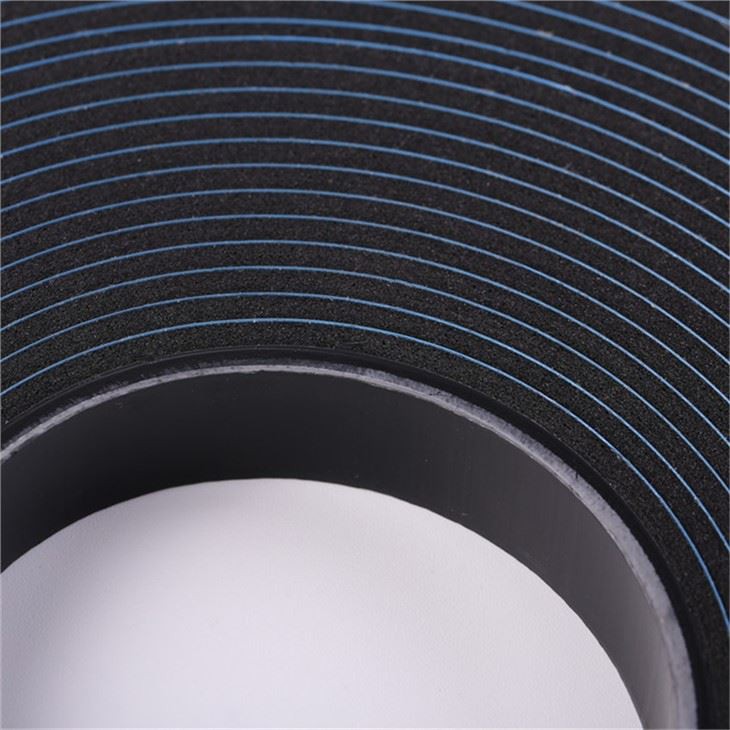
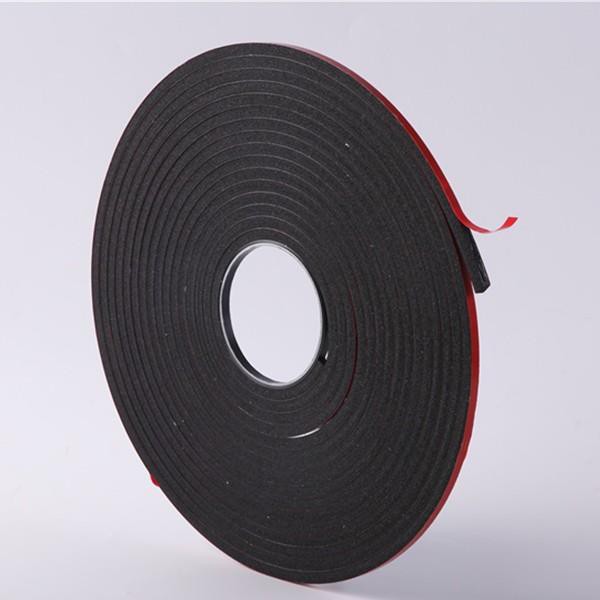
Let's start by understanding what PVC Glazing Foam Tape is made of. PVC, or polyvinyl chloride, is a synthetic plastic polymer. It's the main component of the tape, and it gives the tape its strength and flexibility. The foam part is usually made of a closed - cell structure, which helps with insulation and sealing. And of course, there's the adhesive layer that allows the tape to stick to different surfaces.
Now, when we talk about chemical reactions, we need to consider different types of chemicals. First up, let's look at acids. Acids can have a range of effects on PVC Glazing Foam Tape depending on their strength and concentration. Weak acids, like acetic acid (the stuff in vinegar), might not have a significant impact on the tape. The PVC polymer is relatively resistant to weak acids, and the closed - cell foam structure can act as a barrier to prevent the acid from penetrating deeply. However, if the tape is exposed to strong acids, such as sulfuric acid or hydrochloric acid, things can go south quickly. Strong acids can break down the PVC polymer over time. They can react with the chlorine atoms in the PVC, causing the polymer chains to break apart. This can lead to a loss of strength, flexibility, and sealing properties of the tape. The acid might also attack the adhesive layer, causing the tape to lose its stickiness.
Next, let's consider alkalis. Similar to acids, the reaction of PVC Glazing Foam Tape with alkalis depends on their strength. Weak alkalis, like baking soda solution, are generally not a big threat to the tape. The PVC is somewhat resistant to mild alkaline environments. But strong alkalis, such as sodium hydroxide (lye), can cause problems. Strong alkalis can react with the PVC polymer, leading to a process called saponification if there are any ester - like groups present in the tape's additives. This can result in the degradation of the tape's structure, making it brittle and less effective as a sealant. The adhesive can also be affected, losing its ability to hold the tape in place.
Solvents are another class of chemicals that can interact with PVC Glazing Foam Tape. Organic solvents, like acetone, toluene, and xylene, can have a major impact. These solvents are known for their ability to dissolve or swell polymers. When PVC Glazing Foam Tape comes into contact with organic solvents, the solvent molecules can penetrate the closed - cell foam structure and interact with the PVC polymer. This can cause the tape to swell, lose its shape, and become soft. The swelling can also affect the adhesive, causing it to be less effective. In some cases, if the tape is exposed to a large amount of solvent for a long time, the PVC polymer can actually dissolve, rendering the tape useless.
On the other hand, water - based chemicals are generally less of a concern for PVC Glazing Foam Tape. The closed - cell foam structure of the tape is designed to be resistant to water penetration. So, mild water - based cleaners or solutions usually won't cause any significant damage. However, if the water contains dissolved salts or other contaminants, it could potentially cause some degradation over time, especially if the tape is constantly exposed to this type of water.
It's important to note that the reaction of PVC Glazing Foam Tape with chemicals also depends on the exposure time and temperature. Higher temperatures can accelerate chemical reactions. For example, if the tape is exposed to an acid at a high temperature, the degradation process will happen much faster than at room temperature.
So, why does all this matter? Well, if you're using PVC Glazing Foam Tape in an environment where it might come into contact with chemicals, you need to be aware of these potential reactions. For example, in industrial settings where there are chemical spills or fumes, you need to choose the right type of tape that can withstand the specific chemicals present.
As a supplier, I offer a variety of PVC Glazing Foam Tapes to meet different needs. For instance, our PVC Structural Glazing Spacer foam Tape is designed for structural glazing applications. It has a high - quality PVC polymer and a strong adhesive, which provides good resistance to common chemicals in normal construction environments. Our Self Adhesive PVC Foam Glazing Tape is easy to use and can be a great choice for DIY projects. And if you need a tape with extra - strong adhesion and better chemical resistance, our High Viscosity PVC Foam Glazing Tape might be the one for you.
If you're in the market for PVC Glazing Foam Tape and have concerns about chemical compatibility, don't hesitate to reach out. We can help you select the right tape for your specific application and environment. Whether you're a contractor, an automotive manufacturer, or a DIY enthusiast, we've got the products and knowledge to assist you.
In conclusion, understanding how PVC Glazing Foam Tape reacts with chemicals is crucial for ensuring its proper use and longevity. By being aware of the potential chemical reactions and choosing the right tape for the job, you can avoid costly mistakes and ensure that your projects are successful. So, if you have any questions or are interested in purchasing our PVC Glazing Foam Tape, feel free to get in touch for a detailed discussion and procurement negotiation.
References:
- "Polymer Chemistry" textbooks
- Industry reports on PVC products and their chemical resistance.