


Cutting PVC foam board sheets is a common task in various industries, including construction, advertising, and DIY projects. As a PVC Foam Board Sheet supplier, I understand the importance of providing accurate information on how to cut these materials effectively and safely. In this blog post, I will share some tips and techniques on how to cut PVC foam board sheets, along with some considerations to keep in mind.
Understanding PVC Foam Board Sheets
Before we dive into the cutting process, it's essential to understand what PVC foam board sheets are and their properties. PVC foam board sheets are made from polyvinyl chloride (PVC) resin, which is a lightweight, durable, and versatile material. These sheets are often used for a variety of applications, including signage, displays, cabinetry, and interior decoration.
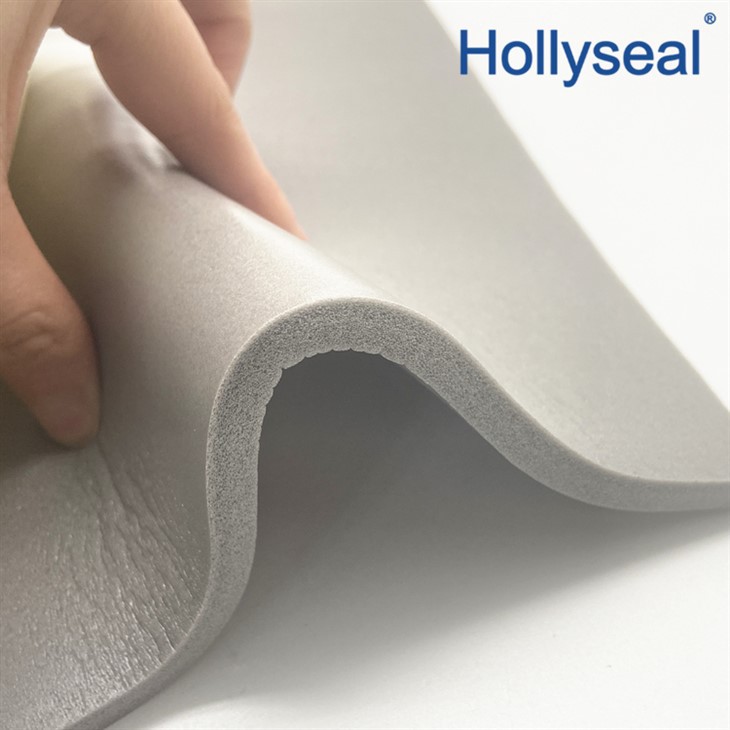
PVC foam board sheets come in different thicknesses, densities, and colors, which can affect the cutting process. For example, Low Density Quick Recovery Grey PVC Foam is a lightweight option that is easy to cut, while Black Expanded PVC Sheet is a more rigid and durable option that may require more powerful cutting tools.
Tools Required for Cutting PVC Foam Board Sheets
To cut PVC foam board sheets effectively, you will need the right tools. Here are some of the essential tools you will need:
- Utility Knife: A sharp utility knife is a versatile tool that can be used for cutting thin PVC foam board sheets. Make sure to use a new blade for clean and precise cuts.
- Jigsaw: A jigsaw is a power tool that is ideal for cutting curves and intricate shapes in PVC foam board sheets. Use a fine-toothed blade designed for cutting plastics to prevent chipping and melting.
- Circular Saw: A circular saw is a powerful tool that can be used for cutting straight lines in thick PVC foam board sheets. Use a carbide-tipped blade designed for cutting plastics to ensure clean and precise cuts.
- Table Saw: A table saw is a stationary power tool that is ideal for cutting large PVC foam board sheets. Use a carbide-tipped blade designed for cutting plastics and adjust the blade height to match the thickness of the sheet.
- Band Saw: A band saw is a stationary power tool that is ideal for cutting curves and intricate shapes in PVC foam board sheets. Use a fine-toothed blade designed for cutting plastics to prevent chipping and melting.
Safety Precautions
Cutting PVC foam board sheets can be dangerous, so it's essential to take the necessary safety precautions. Here are some safety tips to keep in mind:
- Wear Safety Gear: Wear safety glasses, gloves, and a dust mask to protect your eyes, hands, and lungs from dust and debris.
- Use a Stable Work Surface: Use a stable work surface to prevent the sheet from moving while you are cutting it.
- Keep Your Fingers Away from the Blade: Keep your fingers away from the blade at all times to prevent injuries.
- Follow the Manufacturer's Instructions: Follow the manufacturer's instructions for the cutting tool you are using to ensure safe and proper operation.
- Clean Up the Work Area: Clean up the work area after cutting to prevent slips and falls.
Cutting Techniques
Now that you have the right tools and safety precautions in place, let's look at some cutting techniques for PVC foam board sheets.
Cutting with a Utility Knife
Cutting PVC foam board sheets with a utility knife is a simple and effective method for cutting thin sheets. Here's how to do it:
- Mark the cutting line on the sheet using a straightedge and a pencil.
- Place the sheet on a stable work surface with the marked line facing up.
- Hold the utility knife at a 45-degree angle and score the cutting line using a firm, even pressure. Make multiple passes if necessary to cut through the sheet.
- Bend the sheet along the scored line to break it cleanly.
- Use a sandpaper or a file to smooth the edges of the cut.
Cutting with a Jigsaw
Cutting PVC foam board sheets with a jigsaw is a great way to cut curves and intricate shapes. Here's how to do it:
- Mark the cutting line on the sheet using a pencil and a template or a freehand drawing.
- Clamp the sheet to a stable work surface to prevent it from moving while you are cutting it.
- Install a fine-toothed blade designed for cutting plastics in the jigsaw.
- Turn on the jigsaw and slowly guide the blade along the cutting line, following the template or the drawing.
- Use a sandpaper or a file to smooth the edges of the cut.
Cutting with a Circular Saw
Cutting PVC foam board sheets with a circular saw is a fast and efficient method for cutting straight lines. Here's how to do it:
- Mark the cutting line on the sheet using a straightedge and a pencil.
- Clamp the sheet to a stable work surface to prevent it from moving while you are cutting it.
- Install a carbide-tipped blade designed for cutting plastics in the circular saw.
- Adjust the blade height to match the thickness of the sheet.
- Turn on the circular saw and slowly guide the blade along the cutting line, following the straightedge.
- Use a sandpaper or a file to smooth the edges of the cut.
Cutting with a Table Saw
Cutting PVC foam board sheets with a table saw is a precise and efficient method for cutting large sheets. Here's how to do it:
- Mark the cutting line on the sheet using a straightedge and a pencil.
- Adjust the blade height and the fence on the table saw to match the thickness and the width of the sheet.
- Place the sheet on the table saw with the marked line aligned with the blade.
- Turn on the table saw and slowly push the sheet through the blade, following the fence.
- Use a sandpaper or a file to smooth the edges of the cut.
Cutting with a Band Saw
Cutting PVC foam board sheets with a band saw is a great way to cut curves and intricate shapes. Here's how to do it:
- Mark the cutting line on the sheet using a pencil and a template or a freehand drawing.
- Clamp the sheet to a stable work surface to prevent it from moving while you are cutting it.
- Install a fine-toothed blade designed for cutting plastics in the band saw.
- Turn on the band saw and slowly guide the sheet along the cutting line, following the template or the drawing.
- Use a sandpaper or a file to smooth the edges of the cut.
Considerations for Cutting PVC Foam Board Sheets
Here are some considerations to keep in mind when cutting PVC foam board sheets:
- Thickness: The thickness of the PVC foam board sheet will determine the cutting tool and the cutting technique you should use. Thicker sheets may require more powerful cutting tools, such as a circular saw or a table saw.
- Density: The density of the PVC foam board sheet can affect the cutting process. Higher density sheets may require more force to cut and may produce more dust and debris.
- Color: The color of the PVC foam board sheet can affect the cutting process. Darker colors may absorb more heat, which can cause the sheet to melt or warp during cutting.
- Surface Finish: The surface finish of the PVC foam board sheet can affect the cutting process. Smooth surfaces may be easier to cut, while textured surfaces may require more careful cutting to prevent chipping and damage.
Conclusion
Cutting PVC foam board sheets is a common task in various industries, and it's essential to do it correctly to ensure clean and precise cuts. By using the right tools, following the safety precautions, and using the appropriate cutting techniques, you can cut PVC foam board sheets effectively and safely. As a PVC Foam Board Sheet supplier, we offer a wide range of high-quality PVC foam board sheets, including Low Density Quick Recovery Grey PVC Foam, Black Expanded PVC Sheet, and Good Recovery PVC Foam. If you have any questions or need further assistance with cutting PVC foam board sheets, please feel free to contact us for more information and to discuss your procurement needs.

References
- "PVC Foam Board: Properties, Applications, and Cutting Guide." Plastics Today.
- "How to Cut PVC Foam Board." DIY Network.
- "Cutting PVC Foam Boards: Tips and Techniques." Fine Woodworking.