



Hey there! As a supplier of Non - adhesive PVC Foam, I often get asked whether this stuff is flexible. Well, let's dive right into it and find out.
First off, what exactly is Non - adhesive PVC Foam? It's a type of foam material made from polyvinyl chloride (PVC). Unlike some other foams, it doesn't come with an adhesive backing. This makes it super versatile, as you can use it in a whole bunch of different applications, and you get to choose your own adhesive if you need one.
Now, to the big question: is it flexible? The answer is, it depends. There are different types of Non - adhesive PVC Foam, and their flexibility can vary quite a bit.
Factors Affecting Flexibility
Density
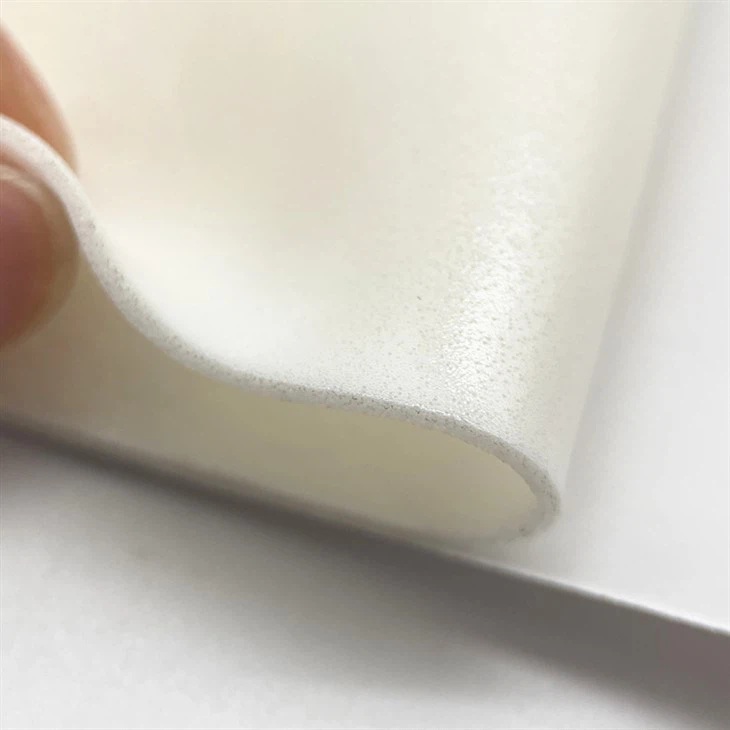
One of the main factors that determines how flexible Non - adhesive PVC Foam is its density. Foams with a lower density tend to be more flexible. Think of it like this: if the foam has more air pockets and less solid PVC material, it's easier to bend and shape. For example, a Soft Microporous PVC Foam [/pvc-foam/non-adhesive-pvc-foam/rigid-pvc-board.html] usually has a lower density. This type of foam is great for applications where you need to wrap it around curved surfaces or where it needs to conform to irregular shapes. It can be bent and twisted without cracking or breaking easily.
On the other hand, high - density Non - adhesive PVC Foam is less flexible. It's more rigid and better suited for applications where you need a sturdier material. It won't bend as easily, but it can provide more support and stability.
Thickness
The thickness of the foam also plays a role in its flexibility. Thinner foams are generally more flexible than thicker ones. A 1mm Self - absorbing PVC Foam [/pvc-foam/non-adhesive-pvc-foam/1mm-self-absorbing-pvc-foam.html] is going to be a lot easier to bend than a 10mm thick foam. When the foam is thin, there's less material to resist the bending force. So, if you're looking for a highly flexible option, a thinner Non - adhesive PVC Foam might be the way to go.
Chemical Composition
The chemical makeup of the PVC foam can affect its flexibility too. Some manufacturers add certain additives to the PVC during the production process to make it more flexible. These additives can change the molecular structure of the foam, making it more pliable. However, the exact chemical composition can vary from one product to another, so it's important to check with the supplier to see what kind of flexibility you can expect.

Applications Based on Flexibility
Flexible Non - adhesive PVC Foam
If you've got a flexible Non - adhesive PVC Foam, there are tons of cool applications you can use it for. In the automotive industry, it can be used for gaskets and seals. Since it can bend and conform to the shape of different parts, it can create a tight seal to prevent leaks. It's also great for packaging. You can use it to wrap delicate items, and its flexibility allows it to cushion the product from all sides.
In the arts and crafts world, flexible Non - adhesive PVC Foam is a hit. You can cut it into different shapes and use it to make decorations, props, or even jewelry. Its ability to bend and shape makes it easy to work with and lets your creativity run wild.
Rigid Non - adhesive PVC Foam
Rigid Non - adhesive PVC Foam has its own set of applications. It's often used in construction for things like wall panels and partitions. Its sturdiness provides support and can help with insulation. In the signage industry, rigid PVC foam is a popular choice. You can print on it, and it holds its shape well, making it perfect for outdoor signs.
Customization and Flexibility
One of the great things about being a Non - adhesive PVC Foam supplier is that we can offer customized solutions. If you need a specific level of flexibility for your project, we can work with you to create a Customized PVC Foam Sheet [/pvc-foam/non-adhesive-pvc-foam/customized-pvc-foam-sheet-for-outdoor.html]. We can adjust the density, thickness, and chemical composition to meet your exact requirements.
Maybe you're working on a project that needs a foam that's just a little bit flexible, but not too much. We can figure out the right combination of factors to get you that perfect balance. Or perhaps you need a foam that's extremely flexible for a unique application. We've got the expertise to make it happen.
Testing Flexibility
When you're considering using Non - adhesive PVC Foam for your project, it's a good idea to test its flexibility. You can ask your supplier for samples. Take the sample and try bending it, rolling it, or twisting it. See how it responds. If it breaks or cracks easily, it might not be the right choice for your application.
You can also measure the flexibility more precisely using a flexural strength test. This test measures the amount of force needed to bend the foam. A lower force means the foam is more flexible. Most suppliers should be able to provide you with flexural strength data if you ask for it.
Conclusion
So, is Non - adhesive PVC Foam flexible? The short answer is yes, but it depends on a few factors like density, thickness, and chemical composition. There are both flexible and rigid options available, each with its own set of applications.
If you're in the market for Non - adhesive PVC Foam and need a specific level of flexibility for your project, don't hesitate to reach out. We're here to help you find the perfect solution. Whether you need a highly flexible foam for a creative project or a rigid one for construction, we've got you covered. Let's have a chat and see how we can work together to meet your needs.
References
- PVC Foam Handbook: A Guide to Properties and Applications
- Journal of Polymer Science: Studies on the Flexibility of PVC Foams