


Hey there, folks! I'm a supplier of PVC Foam Material, and I'm super stoked to chat with you about the foam structure of PVC foam material. It's a topic that might seem a bit technical at first, but trust me, it's pretty interesting once you dig in.
So, what exactly is PVC foam material? Well, PVC stands for polyvinyl chloride, which is a type of plastic. PVC foam material is made by adding a foaming agent to PVC resin during the manufacturing process. This foaming agent creates gas bubbles, which expand and form a foam structure within the PVC.
The foam structure of PVC foam material can vary depending on a few factors, such as the type of foaming agent used, the manufacturing process, and the desired properties of the final product. There are two main types of foam structures in PVC foam material: closed-cell and open-cell.
Closed-Cell Foam Structure
The closed-cell foam structure is like a bunch of tiny, individual bubbles that are completely sealed off from each other. Each bubble is surrounded by a thin layer of PVC, which acts as a barrier. This structure gives the PVC foam material some really cool properties.
One of the biggest advantages of closed-cell PVC foam material is its excellent insulation properties. Because the bubbles are sealed, they trap air inside, which is a great insulator. This makes closed-cell PVC foam material perfect for applications where you need to keep things warm or cold, like in refrigeration units or building insulation.
It's also very resistant to water. The closed cells prevent water from seeping in, so the foam doesn't get soggy or damaged when it gets wet. This makes it a popular choice for outdoor applications, such as marine equipment or roofing.
Another plus is its strength and durability. The closed-cell structure gives the foam material a solid and rigid feel, which makes it able to withstand heavy loads and impacts. It's used in a lot of industrial applications where toughness is key, like in automotive parts and packaging materials.
We offer a great example of closed-cell PVC foam material with our Automotive Shockproof PVC Foam. It's designed to absorb shocks and vibrations in cars, thanks to its strong closed-cell structure.
Open-Cell Foam Structure
On the other hand, the open-cell foam structure is made up of bubbles that are connected to each other. This means that air and moisture can easily move through the foam. While this might sound like a drawback, it actually gives open-cell PVC foam material some unique properties.
One of the main advantages of open-cell foam is its softness and flexibility. The interconnected bubbles allow the foam to compress easily, making it feel cushy and comfortable. This makes it a great choice for applications where you need a soft touch, like in furniture cushions or mattress toppers.
It's also a good acoustic insulator. The open cells help to absorb sound waves, reducing noise levels. This makes it useful in recording studios, theaters, and other places where sound control is important.
However, open-cell foam is not as water-resistant as closed-cell foam. Since the cells are open, water can easily penetrate the foam, which can lead to mold and mildew growth if not properly cared for.
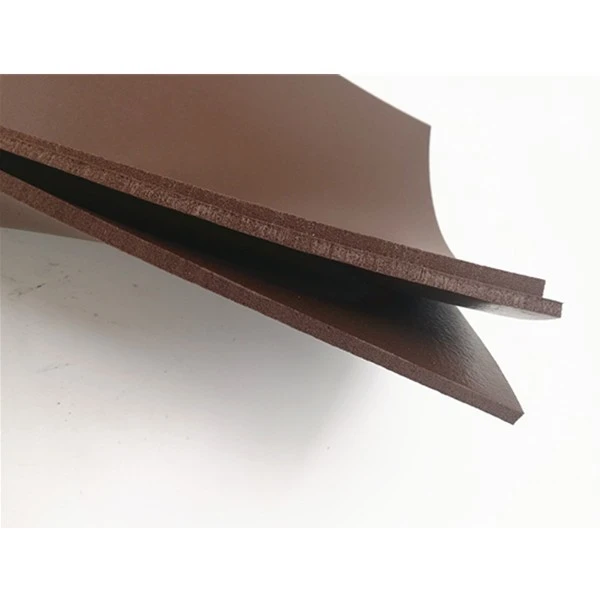
We have a great open-cell PVC foam product in our catalog - the Black Expanded PVC Sheet. It's lightweight and flexible, making it suitable for a variety of creative and practical applications.

How the Foam Structure Affects the Product's Performance
The foam structure of PVC foam material has a huge impact on its performance in different applications. Let's take a closer look at some of the key areas where the foam structure matters.
Density and Strength
The foam structure affects the density of the PVC foam material. Closed-cell foam usually has a higher density because the cells are packed tightly together. This higher density gives it more strength and makes it better able to support heavy loads. Open-cell foam, on the other hand, has a lower density, which makes it lighter but also less strong.
Thermal and Acoustic Insulation
As I mentioned earlier, closed-cell foam is a great thermal insulator because the sealed cells trap air. Open-cell foam, while not as good at thermal insulation, is excellent at acoustic insulation. The open cells allow sound waves to enter and get absorbed, reducing noise.
Chemical Resistance
The foam structure can also affect the chemical resistance of the PVC foam material. Closed-cell foam is generally more resistant to chemicals because the closed cells act as a barrier, preventing chemicals from penetrating the foam. Open-cell foam, with its interconnected cells, is more vulnerable to chemical damage.
Cost
The manufacturing process for closed-cell foam is usually more complex than that for open-cell foam, which can make closed-cell PVC foam material more expensive. However, the cost difference can be offset by its superior performance in certain applications.
Our PVC Foam Material Offerings
At our company, we take pride in offering a wide range of PVC foam materials with different foam structures to meet the diverse needs of our customers. Whether you're looking for a high-strength, water-resistant closed-cell foam or a soft, flexible open-cell foam, we've got you covered.
Our PVC Foam Material comes in various thicknesses, densities, and colors, so you can choose the one that's perfect for your project. We use the latest manufacturing techniques to ensure that our products are of the highest quality.
Why Choose Our PVC Foam Material
There are several reasons why you should consider choosing our PVC foam material for your next project. First of all, we have a team of experts who are always ready to help you select the right foam structure and product for your specific needs. We understand that every project is unique, and we're here to provide personalized solutions.
Secondly, we offer competitive prices without compromising on quality. We believe that high-quality PVC foam material should be accessible to everyone, whether you're a small business or a large corporation.
Finally, we're committed to providing excellent customer service. From the moment you contact us to inquire about our products to the after-sales support, we'll make sure that you have a great experience working with us.
Ready to Make a Purchase?
If you're interested in our PVC foam material or have any questions about the foam structure or our products, don't hesitate to get in touch with us. We're excited to work with you and help you find the perfect PVC foam material for your project.
So come on, let's start this journey together and make your project a success!
References
- "Polyvinyl Chloride (PVC) Foam: Properties, Applications, and Manufacturing." Encyclopedia of Polymer Science and Technology.
- "The Science of Foam Structures in Polymers." Journal of Polymer Research.