


Flexibond PVC sheets have emerged as a remarkable material in various industries due to their versatility and durability. As a leading supplier of Flexibond PVC sheets, I often encounter inquiries about their impact resistance. In this blog post, I will delve into the concept of impact resistance, explore how Flexibond PVC sheets perform in this regard, and discuss the implications of their impact resistance for different applications.
Understanding Impact Resistance
Impact resistance refers to a material's ability to withstand sudden forces or blows without breaking, cracking, or deforming significantly. It is a crucial property, especially in applications where the material may be subjected to physical contact, such as construction, transportation, and industrial settings. The impact resistance of a material is influenced by several factors, including its composition, structure, and manufacturing process.
The Composition and Structure of Flexibond PVC Sheets
Flexibond PVC sheets are made from polyvinyl chloride (PVC), a synthetic plastic polymer known for its strength, flexibility, and chemical resistance. The PVC resin is combined with various additives, such as plasticizers, stabilizers, and fillers, to enhance its properties and make it suitable for different applications. The specific formulation of Flexibond PVC sheets may vary depending on the intended use, but the basic structure remains the same.
The structure of Flexibond PVC sheets is designed to provide a balance between flexibility and strength. The PVC molecules are arranged in a long-chain structure, which gives the material its flexibility. At the same time, the additives help to reinforce the structure and improve its impact resistance. The sheets may also have a cellular or foam structure, which further enhances their impact resistance by absorbing and dissipating energy.
Testing the Impact Resistance of Flexibond PVC Sheets
To determine the impact resistance of Flexibond PVC sheets, various testing methods are used. One common method is the Charpy impact test, which involves striking a notched specimen with a pendulum and measuring the energy absorbed by the specimen during the impact. Another method is the Izod impact test, which is similar to the Charpy test but uses a different specimen geometry.

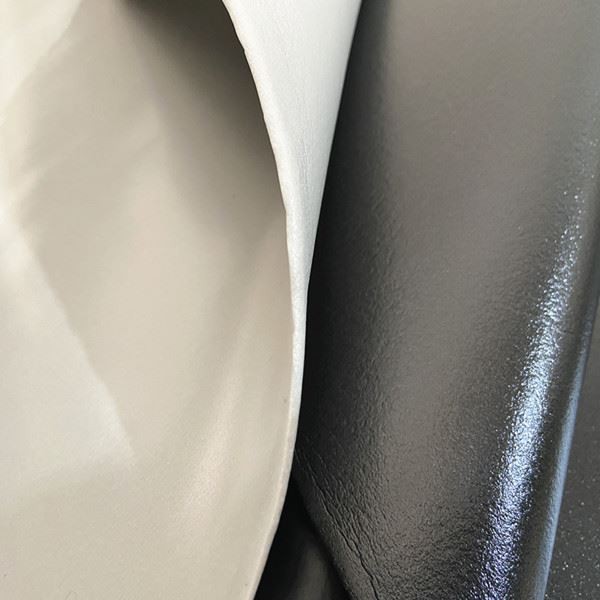
In addition to these standardized tests, real-world testing is also conducted to evaluate the performance of Flexibond PVC sheets in actual applications. This may involve subjecting the sheets to simulated impacts, such as dropping heavy objects on them or applying sudden forces with a hammer. The results of these tests are used to ensure that the sheets meet the required standards and can withstand the expected levels of impact in different environments.
Factors Affecting the Impact Resistance of Flexibond PVC Sheets
Several factors can affect the impact resistance of Flexibond PVC sheets. One of the most important factors is the thickness of the sheets. Generally, thicker sheets have higher impact resistance than thinner sheets because they can absorb more energy during an impact. However, the thickness of the sheets also affects their flexibility and weight, so a balance needs to be struck between impact resistance and other properties.
The temperature also plays a significant role in the impact resistance of Flexibond PVC sheets. At low temperatures, the PVC material becomes more brittle and less flexible, which can reduce its impact resistance. On the other hand, at high temperatures, the material may become softer and more prone to deformation, which can also affect its impact resistance. Therefore, it is important to consider the temperature range in which the sheets will be used and choose the appropriate grade of Flexibond PVC sheets accordingly.
The type and amount of additives used in the formulation of Flexibond PVC sheets can also affect their impact resistance. For example, plasticizers can improve the flexibility of the material, but they may also reduce its impact resistance if used in excessive amounts. Stabilizers can help to prevent the degradation of the PVC material over time, which can maintain its impact resistance. Fillers can be used to enhance the strength and stiffness of the material, but they may also affect its impact resistance depending on their type and particle size.
Applications of Flexibond PVC Sheets Based on Their Impact Resistance
The high impact resistance of Flexibond PVC sheets makes them suitable for a wide range of applications. In the construction industry, they are used for various purposes, such as wall cladding, roofing, and partitions. The sheets can withstand the impact of falling objects, such as hail or debris, and provide a durable and long-lasting solution for building exteriors. They are also resistant to moisture, chemicals, and UV radiation, which makes them ideal for outdoor applications.
In the transportation industry, Flexibond PVC sheets are used for interior and exterior components of vehicles, such as door panels, dashboard covers, and luggage racks. The sheets can withstand the impact of passengers or cargo and provide a comfortable and safe environment inside the vehicle. They are also lightweight, which helps to reduce the overall weight of the vehicle and improve its fuel efficiency.
In the industrial sector, Flexibond PVC sheets are used for machine guards, protective barriers, and storage containers. The sheets can protect workers and equipment from the impact of moving parts or falling objects and provide a safe working environment. They are also resistant to chemicals and abrasion, which makes them suitable for use in harsh industrial environments.
Comparing Flexibond PVC Sheets with Other Materials in Terms of Impact Resistance
When considering the impact resistance of Flexibond PVC sheets, it is important to compare them with other materials commonly used in similar applications. For example, compared to traditional materials such as wood and metal, Flexibond PVC sheets have several advantages in terms of impact resistance. Wood is prone to splitting and cracking under impact, while metal can dent and deform. Flexibond PVC sheets, on the other hand, can absorb and dissipate energy without breaking or deforming significantly.
Compared to other plastic materials, such as polycarbonate and acrylic, Flexibond PVC sheets also have their own unique advantages. Polycarbonate is known for its high impact resistance, but it is also more expensive and less flexible than Flexibond PVC sheets. Acrylic is a clear and transparent material, but it is more brittle and less impact-resistant than Flexibond PVC sheets. Therefore, depending on the specific requirements of the application, Flexibond PVC sheets can be a cost-effective and practical choice.
Conclusion
In conclusion, the impact resistance of Flexibond PVC sheets is a key property that makes them a popular choice for various applications. The combination of their composition, structure, and manufacturing process results in a material that can withstand sudden forces and blows without breaking or deforming significantly. The impact resistance of Flexibond PVC sheets is influenced by several factors, such as thickness, temperature, and additives, and it can be tested using standardized methods and real-world testing.
The high impact resistance of Flexibond PVC sheets makes them suitable for a wide range of applications in the construction, transportation, and industrial sectors. They offer several advantages over traditional materials and other plastic materials in terms of impact resistance, cost, and flexibility. As a supplier of Flexibond PVC sheets, I am committed to providing high-quality products that meet the needs of our customers.
If you are interested in learning more about the impact resistance of Flexibond PVC sheets or would like to discuss your specific requirements, please feel free to contact us. We would be happy to provide you with more information and assist you in choosing the right product for your application.
References
- ASTM International. (2023). Standard Test Methods for Impact Resistance of Plastics and Electrical Insulating Materials.
- PlasticsEurope. (2023). Polyvinyl Chloride (PVC): Properties, Applications, and Sustainability.
- Smith, J. (2022). The Impact Resistance of PVC Sheets: A Review. Journal of Plastic Materials, 45(2), 123-135.