


When it comes to construction, decoration, and various industrial applications, the choice of materials plays a crucial role in determining the overall quality and performance of a project. Among the many materials available, PVC foam board sheets have gained significant popularity due to their versatility, durability, and cost - effectiveness. One of the key properties that make PVC foam board sheets so appealing is their thermal insulation performance. In this blog, as a PVC Foam Board Sheet supplier, I will delve into the thermal insulation performance of PVC foam board sheets, exploring the factors that influence it and the benefits it brings.
Understanding Thermal Insulation
Thermal insulation is the process of reducing the transfer of heat between two areas with different temperatures. It is essential in buildings to maintain a comfortable indoor temperature, reduce energy consumption, and lower heating and cooling costs. The effectiveness of thermal insulation is measured by its thermal resistance, commonly referred to as the R - value. A higher R - value indicates better insulation performance, as it means the material can resist the flow of heat more effectively.
Factors Affecting the Thermal Insulation Performance of PVC Foam Board Sheets
Density
The density of PVC foam board sheets is one of the primary factors influencing their thermal insulation performance. Generally, lower - density PVC foam board sheets have better insulation properties. This is because the foam structure of these sheets contains more air pockets. Air is a poor conductor of heat, so a greater number of air pockets can effectively slow down the heat transfer process. For example, Mid - Density PVC Foam Sheet strikes a balance between mechanical strength and thermal insulation. While it may not have as many air pockets as ultra - low - density foams, it still offers decent insulation while being more robust for applications where some structural support is required.
Cell Structure
The cell structure of the PVC foam also has a significant impact on thermal insulation. Closed - cell PVC foam board sheets typically provide better insulation than open - cell ones. In closed - cell foam, the individual cells are sealed off from each other, which restricts the movement of air within the material. This reduces convection, one of the main modes of heat transfer. On the other hand, open - cell foam allows air to move more freely, which can lead to increased heat transfer through convection.
Thickness
Thicker PVC foam board sheets generally have better thermal insulation performance. As heat has to travel through a greater distance within the material, the rate of heat transfer is reduced. When choosing PVC foam board sheets for insulation purposes, it is important to consider the required thickness based on the specific application and the desired level of insulation. For instance, in colder climates, thicker sheets may be necessary to achieve adequate thermal insulation.
Benefits of the Thermal Insulation Performance of PVC Foam Board Sheets
Energy Efficiency
One of the most significant benefits of using PVC foam board sheets with good thermal insulation is the improvement in energy efficiency. In buildings, these sheets can reduce the amount of heat lost during the winter and the amount of heat gained during the summer. This means that less energy is required for heating and cooling, resulting in lower energy bills for the occupants. For industrial applications, such as in refrigeration units, PVC foam board sheets can help maintain a stable internal temperature, reducing the energy consumption of the cooling system.
Comfort
Thermal insulation provided by PVC foam board sheets contributes to a more comfortable indoor environment. By reducing temperature fluctuations, these sheets help maintain a consistent and pleasant temperature throughout the space. This is especially important in residential and commercial buildings, where comfort is a top priority for occupants.
Condensation Control
Good thermal insulation can also help control condensation. When there is a significant temperature difference between the inside and outside of a building, condensation can form on surfaces. PVC foam board sheets with high thermal resistance can prevent the surface temperature from dropping below the dew point, thus reducing the likelihood of condensation and the associated problems such as mold growth and damage to building materials.
Applications of PVC Foam Board Sheets Based on Their Thermal Insulation Performance
Construction
In the construction industry, PVC foam board sheets are widely used for insulation purposes. They can be installed in walls, roofs, and floors to improve the energy efficiency of buildings. For example, they can be used as a lining material in exterior walls to reduce heat transfer and enhance the overall insulation of the building envelope.
Refrigeration
PVC foam board sheets are also commonly used in the refrigeration industry. Their excellent thermal insulation properties make them ideal for insulating refrigerators, freezers, and cold storage rooms. By minimizing heat transfer, these sheets help maintain a low temperature inside the refrigeration units, reducing energy consumption and ensuring the proper storage of perishable goods.
Transportation
In the transportation sector, PVC foam board sheets can be used to insulate vehicles such as trucks, buses, and trains. This helps to maintain a comfortable temperature inside the vehicle cabin, especially during extreme weather conditions. Additionally, it can reduce the energy consumption of the vehicle's heating and cooling systems, improving fuel efficiency.
Comparing PVC Foam Board Sheets with Other Insulation Materials
When compared to other traditional insulation materials such as fiberglass and mineral wool, PVC foam board sheets offer several advantages. Firstly, PVC foam board sheets are lightweight, which makes them easier to handle and install. They also have good moisture resistance, which is a significant advantage in areas with high humidity. Unlike fiberglass, PVC foam board sheets do not release harmful fibers into the air, making them a safer option for both installers and occupants.

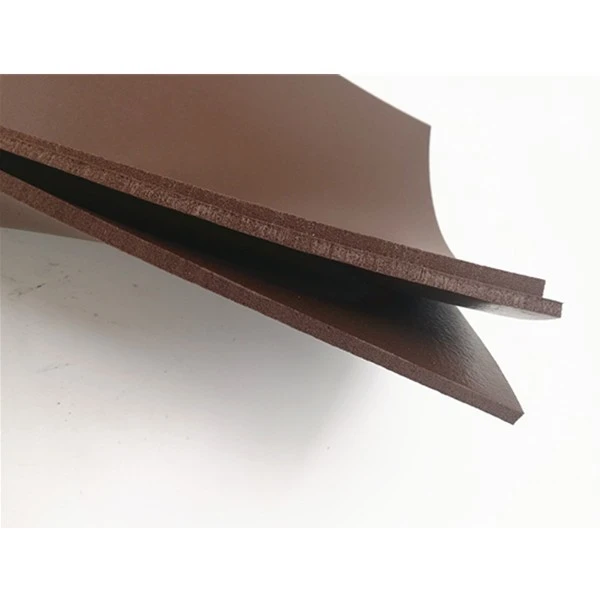
However, it is important to note that the thermal insulation performance of PVC foam board sheets may not be as high as some high - end insulation materials in certain extreme conditions. For example, in very high - temperature or very low - temperature environments, materials specifically designed for such extreme conditions may be more suitable. But for most common applications, PVC foam board sheets provide a cost - effective and practical insulation solution.
Quality Assurance of Our PVC Foam Board Sheets
As a PVC Foam Board Sheet supplier, we are committed to providing high - quality products with excellent thermal insulation performance. Our manufacturing process is carefully controlled to ensure consistent density, cell structure, and thickness of the foam board sheets. We conduct rigorous quality tests on each batch of products to ensure they meet the required standards.
We offer a wide range of PVC foam board sheets, including Blue PVC Sponge Foam and PVC Foam Material, each with different properties to suit various applications. Whether you need insulation for a small residential project or a large industrial facility, we have the right product for you.
Conclusion
The thermal insulation performance of PVC foam board sheets is a key factor that makes them a popular choice in various industries. Their ability to reduce heat transfer, improve energy efficiency, and provide comfort and condensation control makes them an ideal material for insulation applications. With the right density, cell structure, and thickness, PVC foam board sheets can offer excellent thermal insulation properties.
If you are looking for high - quality PVC foam board sheets with superior thermal insulation performance, we are here to help. Our team of experts can provide you with detailed information about our products and assist you in choosing the right material for your specific needs. Contact us today to start a procurement discussion and find out how our PVC foam board sheets can benefit your project.
References
- ASHRAE Handbook of Fundamentals. American Society of Heating, Refrigerating and Air - Conditioning Engineers.
- Building Materials and Technology Encyclopedia. McGraw - Hill.
- Insulation Materials: Properties and Applications. Elsevier.