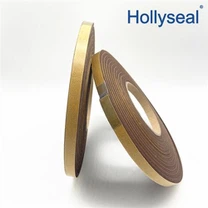



Expanding foam, often referred to as foam sealant or polyurethane foam, is a highly versatile material that is widely used for sealing gaps, cracks, and joints in various applications. When it comes to the question of whether expanding foam is permanent, the answer is not a straightforward "yes" or "no". Rather, it depends on several factors, including the type of foam, the application it's used for, and the environmental conditions it's exposed to.
Types of Expanding Foam
Expanding foam products vary in composition, durability, and intended use. Some are designed for temporary applications, while others are meant for long-term or permanent installations. For example, PU-foam sealant strips, such as those mentioned in the reference articles, are designed for long-lasting performance with a lifespan of up to 20 years. These products are often used in construction and automotive applications where durability and reliability are paramount.
Application Considerations
The permanence of expanding foam also depends on how it's applied. Proper installation techniques, such as ensuring the surface is clean and dry before application, can greatly enhance the foam's adhesion and durability. Additionally, following the manufacturer's instructions for drying time, handling, and cleanup is crucial for maintaining the foam's integrity.
Environmental Factors
Environmental conditions can also affect the permanence of expanding foam. Temperature extremes, humidity, and exposure to UV light can all degrade the foam over time. In areas with high humidity or temperature fluctuations, the foam may expand and contract more frequently, leading to premature degradation. However, high-quality expanding foam products, such as those with UV stabilizers and water-resistant additives, can withstand these conditions for extended periods.
Maintenance and Replacement
Even with the best installation techniques and environmental conditions, expanding foam may eventually need to be replaced. Regular inspections and maintenance can help identify signs of wear or degradation before they become severe. If the foam shows signs of cracking, shrinking, or losing its adhesion, it's time to consider replacement.
Whether expanding foam is permanent depends on a variety of factors. High-quality products designed for long-term use, proper installation techniques, and suitable environmental conditions can all contribute to the foam's durability and permanence. However, even the best foam may eventually need to be replaced due to wear, degradation, or changes in the environment. Regular inspections and maintenance can help extend the life of expanding foam and ensure it continues to provide effective sealing and insulation.