



As a supplier of PVC Glazing Foam Tape, I've often been asked about the tape's ability to reduce heat transfer. In this blog post, I'll delve into the science behind PVC glazing foam tape and explore whether it can indeed play a role in minimizing heat transfer.
Understanding Heat Transfer
Before we discuss how PVC glazing foam tape might affect heat transfer, it's important to understand the three main mechanisms of heat transfer: conduction, convection, and radiation.

Conduction is the transfer of heat through a material due to a temperature gradient. In a building, for example, heat can conduct through the walls, windows, and doors. Metals are good conductors of heat, while materials like wood and plastic are relatively poor conductors.
Convection involves the transfer of heat by the movement of fluids (liquids or gases). In a room, warm air rises and cool air sinks, creating a convection current that can transfer heat throughout the space.
Radiation is the transfer of heat in the form of electromagnetic waves. The sun radiates heat to the Earth, and objects in a room can also radiate heat to each other.
How PVC Glazing Foam Tape Works
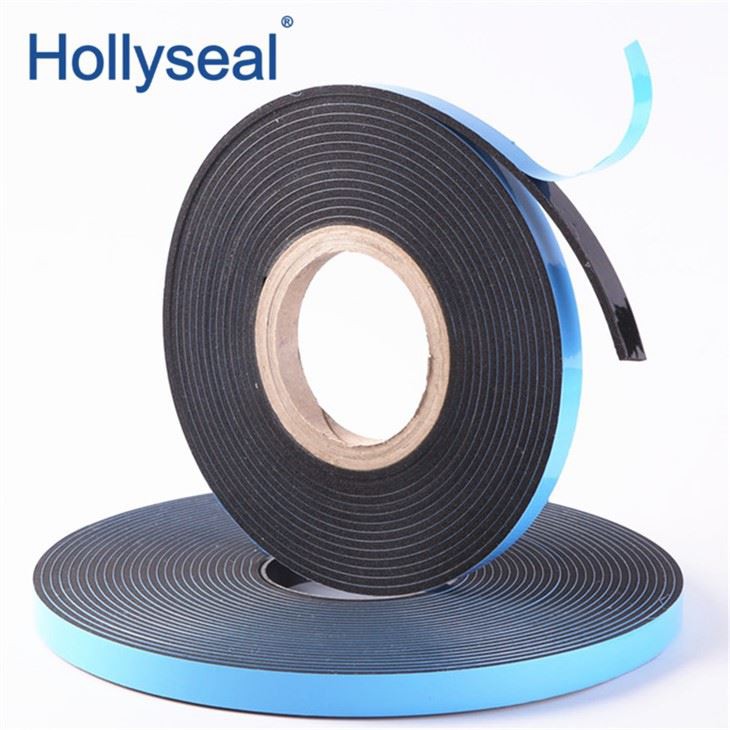
PVC glazing foam tape is a type of adhesive tape made from polyvinyl chloride (PVC) foam. It is commonly used in glazing applications, such as sealing windows and doors, to provide a weather - tight seal and reduce air leakage.
The foam structure of the tape is one of its key features. The cells within the foam are filled with air, and air is a poor conductor of heat. This means that the foam acts as an insulator, reducing the amount of heat that can be conducted through the tape.
When the tape is applied to a window or door frame, it creates a barrier that prevents air from flowing in and out. By reducing air leakage, the tape also helps to minimize convection heat transfer. Cold air from the outside cannot easily enter the building, and warm air from the inside cannot escape.
Scientific Evidence of Heat Transfer Reduction
Several studies have been conducted to evaluate the thermal performance of insulation materials, including those with similar foam structures to PVC glazing foam tape.
Research has shown that materials with a high proportion of trapped air, like foam insulation, can significantly reduce heat conduction. For example, a study published in the Journal of Building Physics found that foam - based insulation materials could reduce heat transfer through building envelopes by up to 50% compared to non - insulated structures.
Although there may not be as many specific studies on PVC glazing foam tape itself, we can draw on the general principles of foam insulation. The closed - cell structure of PVC foam tape helps to keep the air within the cells stationary, which further enhances its insulating properties.
In addition, when used in combination with other glazing components, such as double - or triple - glazed windows, the tape can contribute to the overall thermal performance of the window system. The tape seals the edges of the glass panes, preventing air infiltration and improving the window's ability to resist heat transfer.
Applications and Real - World Benefits
In residential buildings, using PVC glazing foam tape on windows and doors can lead to significant energy savings. By reducing heat loss in the winter and heat gain in the summer, homeowners can lower their heating and cooling costs. A well - sealed window with PVC glazing foam tape can also improve indoor comfort by maintaining a more consistent temperature.
In commercial buildings, where large areas of windows are common, the use of PVC glazing foam tape can have an even greater impact. Energy efficiency is a major concern for commercial property owners, and any measure that can reduce heat transfer can contribute to lower energy bills and a more sustainable building operation.
Our Product Offerings
We offer a range of PVC Glazing Foam Tapes that are designed to meet different requirements. Our Double Sided PVC Foam Structural Glazing Tape provides strong adhesion and excellent sealing properties, making it suitable for structural glazing applications.
Our Double Coated PVC Glazing Foam Tape is ideal for general glazing and sealing tasks, offering a reliable seal that helps to reduce heat transfer.
And our Double Coated PVC Foam Glazing tape is designed for industrial glazing applications, where high - performance sealing and heat transfer reduction are crucial.
Conclusion and Call to Action
Based on the scientific principles of heat transfer and the properties of PVC glazing foam tape, it is clear that the tape can indeed reduce heat transfer. Its foam structure provides insulation against conduction, and its ability to seal against air leakage helps to minimize convection heat transfer.
If you're interested in improving the energy efficiency of your building through better glazing solutions, our PVC glazing foam tapes are a great option. We invite you to contact us to discuss your specific requirements and to learn more about how our products can help you reduce heat transfer and save on energy costs. Whether you're a homeowner, a contractor, or a commercial property owner, we have the expertise and the products to meet your needs.
References
- Journal of Building Physics, various issues related to thermal performance of insulation materials.
- Textbooks on building science and thermodynamics, which cover the principles of heat transfer and insulation.