

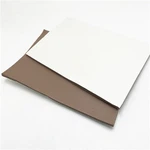
Hey there! As a PVC foam board supplier, I've seen my fair share of projects where getting the gluing part right can make or break the whole thing. In this blog, I'm gonna walk you through the ins and outs of gluing PVC foam board. Whether you're a DIY enthusiast or a professional contractor, these tips will help you achieve a strong and long - lasting bond.
Why Gluing PVC Foam Board Matters
First off, let's talk about why gluing PVC foam board is so important. PVC foam board is a versatile material used in a wide range of applications, from signage and displays to furniture and construction. A proper glue job ensures that your project stays together, looks great, and can withstand the test of time. If you don't glue it correctly, you might end up with a wobbly structure or a bond that fails prematurely.


Types of PVC Foam Board
Before we dive into the gluing process, it's important to know the different types of PVC foam board available. We offer a variety of options, such as Closed Cell PVC For Damping, which is great for applications where you need to reduce vibrations. Then there's Flexible PVC Foam, which is more bendable and suitable for projects that require some flexibility. And if you need a sturdier option, our High Density Rigid PVC Foam Sheet is the way to go.
Choosing the Right Glue
Picking the right glue is crucial. You've got several options out there, but not all glues are created equal when it comes to PVC foam board.
- Contact Cement: This is a popular choice. It works by applying the glue to both surfaces and letting it dry a bit until it becomes tacky. Then you press the two pieces together. Contact cement provides a strong bond and is great for large surface areas. But be careful when applying it, as it can be a bit messy.
- Epoxy Resin: Epoxy is known for its strength and durability. It comes in two parts that you need to mix together. Once mixed, you have a limited amount of time to apply it. Epoxy is a good option for projects that need to withstand heavy loads or stress.
- Cyanoacrylate (Super Glue): Super glue is quick - drying and easy to use. It's perfect for small repairs or bonding small pieces of PVC foam board. However, it might not be the best choice for large - scale projects as it can be brittle.
Preparing the Surface
Before you start gluing, you need to make sure the surfaces of the PVC foam board are clean and dry. Any dirt, dust, or grease can prevent the glue from bonding properly. You can use a mild detergent and water to clean the surfaces, then dry them thoroughly with a clean cloth.
If the surface is rough, you might want to sand it lightly to create a better bonding surface. But don't over - sand, as you don't want to damage the foam board.
The Gluing Process
Now, let's get into the actual gluing process. The steps can vary depending on the type of glue you're using, but here's a general guide.
Using Contact Cement
- Apply the Glue: Use a brush or a roller to apply an even layer of contact cement to both surfaces that you want to bond. Make sure to cover the entire area.
- Let it Dry: Wait for the glue to dry until it becomes tacky. This usually takes around 10 - 15 minutes, but it can vary depending on the temperature and humidity.
- Join the Surfaces: Once the glue is tacky, carefully align the two pieces of PVC foam board and press them together firmly. Use a roller or a block of wood to apply even pressure across the entire surface.
- Clamp if Necessary: For larger pieces or if you want to ensure a stronger bond, you can use clamps to hold the pieces together while the glue cures.
Using Epoxy Resin
- Mix the Epoxy: Follow the instructions on the epoxy package to mix the two parts together thoroughly. Use a clean stick or a mixing tool.
- Apply the Epoxy: Use a brush or a spatula to apply the mixed epoxy to one of the surfaces. Spread it evenly.
- Join the Surfaces: Immediately press the two pieces of PVC foam board together and hold them in place. Make sure the alignment is correct.
- Cure the Epoxy: Let the epoxy cure according to the manufacturer's instructions. This can take anywhere from a few hours to a full day.
Using Cyanoacrylate (Super Glue)
- Apply the Glue: Squeeze a small amount of super glue onto one of the surfaces. You don't need a lot, as a little goes a long way.
- Join the Surfaces: Quickly press the two pieces together and hold them for a few seconds until the glue starts to set.
Tips and Tricks
- Test First: Before you start your big project, it's a good idea to do a small test on a scrap piece of PVC foam board. This way, you can see how the glue works and make any adjustments if needed.
- Work in a Well - Ventilated Area: Some glues can give off strong fumes, so make sure you're working in a place with good air circulation.
- Use Protective Gear: Wear gloves and safety glasses when handling glue, especially epoxy and contact cement.
Post - Gluing Care
After you've glued the PVC foam board, you need to let it cure properly. Don't put any stress on the bond until it's fully cured. If you used clamps, leave them in place for the recommended curing time.
Once the glue has cured, you can trim any excess glue or clean up the edges of the bonded pieces. You can also paint or finish the PVC foam board as desired.
Conclusion
Gluing PVC foam board doesn't have to be a headache. By choosing the right glue, preparing the surface properly, and following the correct gluing process, you can achieve a strong and reliable bond. Whether you're working on a small DIY project or a large - scale construction job, these tips will help you get the best results.
If you're interested in purchasing PVC foam board or have any questions about gluing or our products, don't hesitate to reach out. We're here to help you with all your PVC foam board needs.
References
- "PVC Foam Board: Properties and Applications" - Industry research report
- Manufacturer's instructions for contact cement, epoxy resin, and cyanoacrylate glue.