


Hey there! As a supplier of high density foam tape, I often get asked how it stacks up against glue. Well, let's dive right in and compare these two bonding solutions to see which one might be the better fit for your projects.
Adhesion Strength
First off, let's talk about adhesion. Glue has been around for ages and is known for its strong bond. It can stick a wide variety of materials together, from wood to metal and everything in between. When you apply glue, it seeps into the pores of the materials, creating a chemical bond that can be really tough to break.
On the other hand, high density foam tape works a bit differently. It uses a pressure - sensitive adhesive on both sides. When you press the tape onto a surface, the adhesive molecules come into contact with the surface molecules, creating a physical bond. This bond can be incredibly strong, especially with high density foam tape. It can hold up well under normal use and is often used in applications where a reliable bond is needed, like in construction and automotive industries.
For example, if you're working on a DIY project at home and need to attach a small wooden piece to a metal frame, glue might be your first thought. But if you want a quicker and cleaner solution, high density foam tape could be a great option. You don't have to wait for it to dry, and it won't make a mess like glue can sometimes.
Installation Ease
When it comes to installation, high density foam tape has a clear advantage. With glue, you usually need to prepare the surface first by cleaning it thoroughly to ensure good adhesion. Then, you have to apply the glue carefully, making sure you spread it evenly. And let's not forget about the drying time. Depending on the type of glue, it can take anywhere from a few minutes to several hours to dry completely. During this time, you have to hold the materials in place, which can be a hassle.
High density foam tape, however, is super easy to install. All you need to do is peel off the backing paper and press the tape onto the surface. It sticks right away, and you can start using the bonded materials immediately. This makes it a great choice for projects where time is of the essence. For instance, if you're installing a new sign on a wall, using high density foam tape will save you a lot of time compared to using glue.
Flexibility and Durability
Another important factor to consider is flexibility and durability. Glue, once it dries, can become brittle over time, especially in extreme temperatures. This can cause the bond to weaken and eventually break. High density foam tape, on the other hand, is more flexible. It can withstand some movement and vibration without losing its adhesion.
Imagine you're working on a project that will be exposed to different temperatures and conditions, like an outdoor installation. High density foam tape is likely to perform better in the long run because it can adapt to the changing environment. It won't crack or break like glue might.
Cost - Effectiveness
Cost is always a consideration when choosing a bonding solution. Glue can vary widely in price depending on the type and brand. Some high - quality glues can be quite expensive, especially if you need a large quantity.

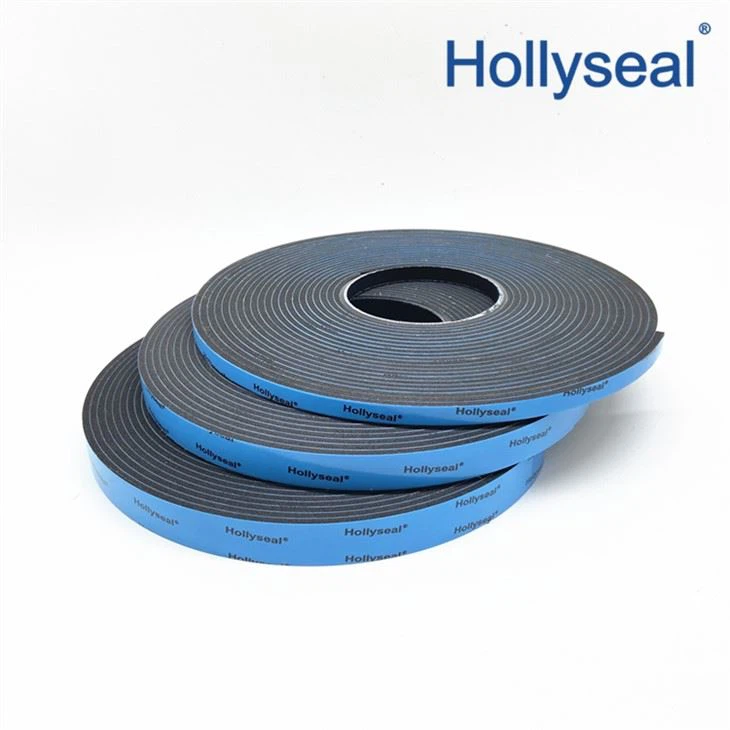
High density foam tape also comes in different price ranges, but in general, it can be a cost - effective option. You can often get a long roll of tape for a reasonable price, and it can cover a large area. Plus, because it's easy to install and doesn't require any additional tools or materials, you can save on labor costs as well.
Environmental Impact
In today's world, environmental impact is an important consideration. Many glues contain chemicals that can be harmful to the environment and human health. Some glues release volatile organic compounds (VOCs) into the air, which can cause respiratory problems and other health issues.
High density foam tape, on the other hand, is often more environmentally friendly. Many high - quality foam tapes are made from materials that are recyclable and have low VOC emissions. So, if you're looking for a more sustainable bonding solution, high density foam tape might be the way to go.
Specific Use Cases
Now, let's take a look at some specific use cases where high density foam tape shines.
Construction
In the construction industry, high density foam tape is widely used. For example, it can be used to seal gaps and joints between building materials. It provides a waterproof and airtight seal, which helps to improve energy efficiency in buildings. You can check out our Fire Resistant PVC Foam Glazing Tape for applications where fire resistance is required. It's a great option for glazing and insulation in construction projects.
Automotive
In the automotive industry, high density foam tape is used for various applications, such as attaching trim pieces, sealing doors and windows, and mounting components. It can withstand the vibrations and temperature changes that occur in a vehicle. Our Double Sided Structral Glazing PVC Foam Tape is a popular choice for automotive glazing, providing a strong and reliable bond.
Electronics
High density foam tape is also used in the electronics industry. It can be used to attach components, provide cushioning, and seal enclosures. Our High Viscosity PVC Foam Glazing Tape is a great option for electronics applications where high viscosity and soundproofing are needed.
Conclusion
So, how does high density foam tape compare to glue? Well, it really depends on your specific needs. If you need a strong, permanent bond and don't mind waiting for the glue to dry, then glue might be the way to go. But if you're looking for a quick, easy, and cost - effective solution that is also flexible and environmentally friendly, high density foam tape is definitely worth considering.
If you're interested in learning more about our high density foam tape products or have any questions about which tape is right for your project, don't hesitate to reach out. We're here to help you find the best bonding solution for your needs.
References
- "Adhesives and Sealants Handbook" by David A. Dillingham
- "The Science of Adhesion" by C. A. Dahlquist