

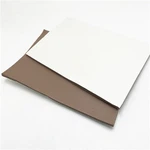
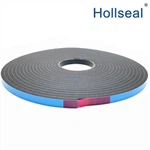
As a seasoned supplier of high density foam tape, I've witnessed firsthand the crucial role this versatile product plays in various industries. High density foam tape is known for its exceptional durability, strong adhesive properties, and excellent sealing capabilities. One of the key characteristics that define its performance is its density range. In this blog, we'll explore what the density range of high density foam tape is, why it matters, and how it impacts different applications.
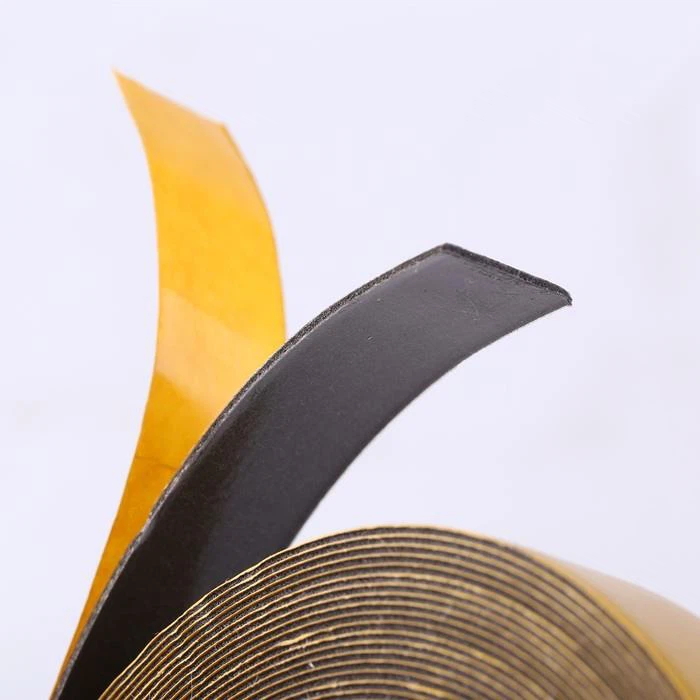

Understanding Density in Foam Tape
Density in foam tape refers to the mass per unit volume of the foam material. It is typically measured in kilograms per cubic meter (kg/m³) or pounds per cubic foot (lb/ft³). A higher density indicates that there is more material packed into a given volume, resulting in a denser and more robust foam tape. The density of foam tape can significantly affect its physical properties, such as hardness, compressibility, and resistance to wear and tear.
The Density Range of High Density Foam Tape
The density range of high density foam tape can vary depending on the specific type of foam and its intended application. Generally, high density foam tapes have a density ranging from 30 kg/m³ to 200 kg/m³.
- Low - end of the range (30 - 60 kg/m³): Foam tapes in this density range are relatively lightweight and flexible. They are often used in applications where a soft seal is required, such as in some electronics for cushioning and vibration dampening. These tapes can conform easily to irregular surfaces, making them suitable for sealing gaps in delicate equipment.
- Mid - range (60 - 120 kg/m³): This is a commonly used density range for high density foam tapes. Tapes in this category offer a good balance between flexibility and strength. They are widely used in construction for sealing windows and doors, as well as in automotive applications for weatherstripping. The moderate density allows them to provide an effective seal against air, water, and dust while still being easy to handle and install.
- High - end of the range (120 - 200 kg/m³): Foam tapes with a density in this range are very dense and rigid. They are designed for heavy - duty applications that require high strength and durability. For example, in industrial machinery, these tapes can be used to seal joints and prevent the leakage of fluids or gases. They can also withstand high pressures and extreme temperatures.
Why the Density Range Matters
The density range of high density foam tape is not just a technical specification; it has a direct impact on the performance of the tape in different applications.
Sealing Performance
A higher density foam tape generally provides a better seal. The dense structure of the foam reduces the porosity, which means it can block air, water, and dust more effectively. For instance, in window and door sealing applications, a mid - to high - density foam tape can create an airtight and watertight seal, improving energy efficiency and preventing moisture damage. PVC Window Glazing Tape is an example of a product that benefits from an appropriate density for optimal sealing.
Durability
Denser foam tapes are more resistant to compression set, which is the tendency of a foam to lose its shape after being compressed. In applications where the tape is subjected to constant pressure, such as in automotive gaskets, a high - density foam tape will maintain its sealing properties over a longer period. Closed Cell Structural Glazing PVC Foam Tape, like the one found at Closed Cell Structural Glazing PVC Foam Tape, is designed with a suitable density to ensure long - term durability.
Adhesive Bond
The density of the foam can also affect the adhesive bond. A denser foam provides a more stable surface for the adhesive, which can result in a stronger and more reliable bond. This is crucial in applications where the tape needs to adhere firmly to a surface, such as in HVAC systems. PVC Foam Tape For HVAC requires a good adhesive bond to ensure proper installation and performance.
Applications Based on Density Range
Electronics
In the electronics industry, low - density high density foam tapes (30 - 60 kg/m³) are often used. They can be used as cushioning materials to protect delicate components from shock and vibration. For example, in smartphones and tablets, these tapes are placed between the battery and the casing to absorb any impact and prevent damage to the battery.
Construction
In construction, mid - density foam tapes (60 - 120 kg/m³) are very popular. They are used for sealing windows, doors, and curtain walls. These tapes can provide an effective barrier against air and water infiltration, which is essential for energy - efficient buildings. High - density foam tapes (120 - 200 kg/m³) may be used in industrial construction for sealing large - scale joints in machinery or in high - pressure environments.
Automotive
The automotive industry uses a wide range of high density foam tape densities. Low - density tapes can be used for interior applications, such as for sealing around speakers to reduce vibration noise. Mid - density tapes are commonly used for weatherstripping doors and windows, while high - density tapes may be used in engine compartments to seal against high - temperature and high - pressure conditions.
Selecting the Right Density for Your Application
When choosing a high density foam tape, it's important to consider the specific requirements of your application. Here are some factors to keep in mind:
- Sealing requirements: If you need to seal against air, water, or dust, a higher density tape may be more suitable.
- Flexibility: If the tape needs to conform to irregular surfaces, a lower - density tape may be a better choice.
- Durability: For applications with high stress or long - term use, a high - density tape will offer better performance.
- Temperature and chemical resistance: Some applications may require the tape to withstand extreme temperatures or exposure to chemicals. In these cases, the density and material composition of the tape need to be carefully considered.
Conclusion
The density range of high density foam tape is a critical factor that determines its performance in various applications. Whether you are in the electronics, construction, or automotive industry, understanding the density range and its implications can help you select the right tape for your needs. As a supplier of high density foam tape, I am committed to providing products with the appropriate density and quality to meet the diverse requirements of our customers.
If you are interested in learning more about our high density foam tape products or have specific application needs, I encourage you to reach out to us for a detailed discussion. We can help you select the best tape based on your requirements and provide you with samples for testing. Let's work together to find the perfect high density foam tape solution for your project.
References
- "Foam Tape Handbook", Industry Publication, 20XX
- "Materials Science for Sealing Applications", Academic Journal, 20XX