


Hey there! As a supplier of PVC foam sheets, I often get asked about the heat resistance of these versatile materials. So, I thought I'd sit down and write a blog post to share some insights on this topic.
First off, let's talk about what PVC foam sheet is. PVC, or polyvinyl chloride, is a synthetic plastic polymer that's widely used in various industries due to its durability, affordability, and ease of processing. PVC foam sheet is made by adding a foaming agent to PVC resin during the manufacturing process, which creates a lightweight, rigid material with a closed-cell structure.
Now, onto the main question: what is the heat resistance of PVC foam sheet? Well, the heat resistance of PVC foam sheet can vary depending on several factors, including the type of PVC resin used, the density of the foam, and the additives incorporated into the material.

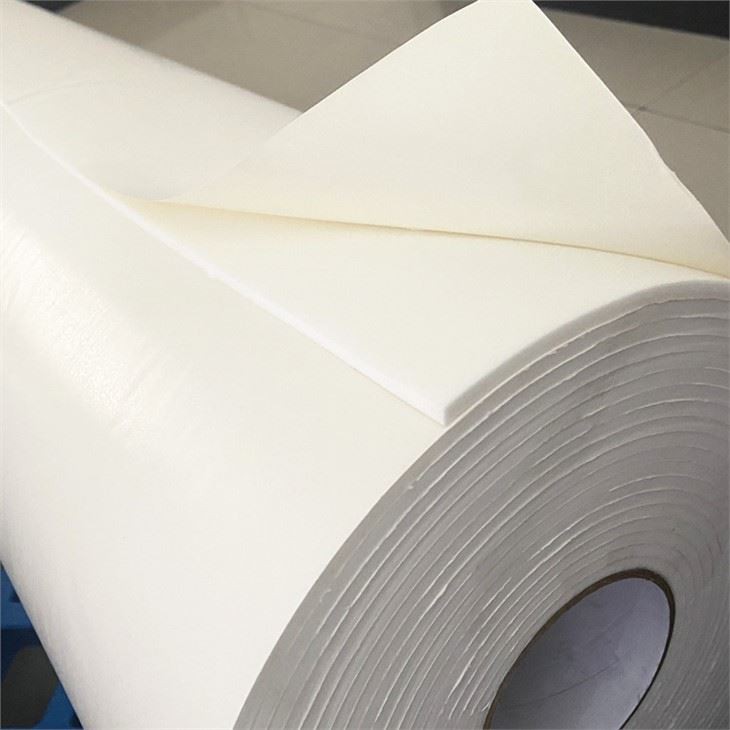
Generally speaking, most PVC foam sheets have a continuous service temperature range of around 60°C to 80°C (140°F to 176°F). This means that they can withstand exposure to temperatures within this range for extended periods without significant deformation or degradation. However, it's important to note that the heat resistance of PVC foam sheet can be affected by factors such as the duration of exposure, the presence of other chemicals or solvents, and the mechanical stress applied to the material.
At higher temperatures, PVC foam sheet may start to soften, deform, or even melt. The exact temperature at which this occurs can vary depending on the specific formulation of the material. For example, some high-temperature PVC foam sheets are designed to withstand temperatures up to 100°C (212°F) or higher, while others may start to show signs of degradation at temperatures as low as 50°C (122°F).
So, how can you determine the heat resistance of a particular PVC foam sheet? One way is to look at the manufacturer's specifications. Most reputable suppliers will provide information on the heat resistance of their products, including the continuous service temperature range and the maximum temperature that the material can withstand for short periods.
Another way is to conduct your own tests. You can cut a small sample of the PVC foam sheet and expose it to different temperatures in a controlled environment, such as an oven or a heat chamber. Observe the material for any signs of deformation, discoloration, or other changes in its physical properties. This will give you a better idea of how the material will perform under real-world conditions.
In addition to heat resistance, there are other factors to consider when choosing a PVC foam sheet for your application. For example, you may need to consider the density of the foam, the thickness of the sheet, the surface finish, and the chemical resistance of the material.
If you're looking for a PVC foam sheet with good heat resistance, you might want to consider our Self-Adhesive PVC Foam Roll. This product is made from high-quality PVC resin and has a continuous service temperature range of up to 80°C (176°F). It also features a self-adhesive backing, which makes it easy to install and use in a variety of applications.
Another option is our High Density PVC Foam Roll. This product has a higher density than standard PVC foam sheets, which gives it better mechanical properties and heat resistance. It can withstand temperatures of up to 90°C (194°F) for short periods, making it suitable for applications where higher temperatures are expected.
If you need a PVC foam sheet with a specific color or finish, you might want to check out our Medium Density Black PVC Foam. This product is available in a medium density and has a black surface finish, which makes it ideal for applications where aesthetics are important. It also has good heat resistance and can withstand temperatures of up to 70°C (158°F) for extended periods.
In conclusion, the heat resistance of PVC foam sheet can vary depending on several factors, but most products have a continuous service temperature range of around 60°C to 80°C (140°F to 176°F). When choosing a PVC foam sheet for your application, it's important to consider the specific requirements of your project, including the temperature range, the duration of exposure, and the mechanical stress applied to the material.
If you have any questions or need further information about our PVC foam sheets, please don't hesitate to contact us. We'd be happy to help you find the right product for your needs and provide you with a quote.
References:
- "Polyvinyl Chloride (PVC) Foam Sheet: Properties and Applications" - Plastics Technology Magazine
- "Heat Resistance of PVC Foam Sheet" - Journal of Polymer Science