



Black PVC foam sheets have become a popular material in various industries due to their versatility, durability, and aesthetic appeal. As a supplier of black PVC foam sheets, I often receive inquiries about their flammability. In this blog post, I will delve into the flammability characteristics of black PVC foam sheets, explore the factors that influence their flammability, and discuss safety considerations.
Understanding PVC and Its Foam Structure
Polyvinyl chloride (PVC) is a synthetic plastic polymer that is widely used in many applications. PVC foam sheets are created by introducing gas bubbles into the PVC material during the manufacturing process, resulting in a lightweight and porous structure. The foam structure can vary in density, cell size, and distribution, which can affect the physical and chemical properties of the sheet, including its flammability.
Flammability of Black PVC Foam Sheets
The flammability of black PVC foam sheets is influenced by several factors, including the formulation of the PVC resin, the presence of additives, and the thickness and density of the foam. Generally, PVC is considered a self - extinguishing material, which means that it will stop burning once the ignition source is removed. This is due to the high chlorine content in PVC, which releases hydrochloric acid when burned. Hydrochloric acid acts as a flame retardant by diluting the oxygen in the air around the fire and interfering with the combustion process.
However, black PVC foam sheets may have different flammability characteristics compared to solid PVC materials. The foam structure provides more surface area for the material to come into contact with oxygen, which can increase the rate of combustion. Additionally, the additives used in the production of black PVC foam sheets, such as plasticizers, stabilizers, and colorants, can affect their flammability. Some additives may enhance the flame - retardant properties of the foam, while others may make it more flammable.
Factors Affecting Flammability
PVC Resin Formulation
The type of PVC resin used in the manufacturing of black PVC foam sheets can have a significant impact on their flammability. Different grades of PVC resin have different chemical compositions and molecular structures, which can affect their thermal stability and combustion behavior. For example, high - molecular - weight PVC resins tend to have better flame - retardant properties than low - molecular - weight resins.
Additives
As mentioned earlier, additives play a crucial role in determining the flammability of black PVC foam sheets. Plasticizers are commonly used to improve the flexibility and workability of PVC, but some plasticizers can increase the flammability of the material. Flame retardants, on the other hand, are added to reduce the flammability of PVC foam sheets. Common flame retardants used in PVC include antimony trioxide, aluminum hydroxide, and magnesium hydroxide. These flame retardants work by releasing water or other non - flammable gases when heated, which helps to cool the material and suppress the fire.
Thickness and Density
The thickness and density of black PVC foam sheets also affect their flammability. Thicker and denser foam sheets generally have better flame - retardant properties than thinner and less dense sheets. This is because thicker sheets take longer to heat up and burn through, and the higher density provides more material to absorb and dissipate heat.
Flammability Testing
To accurately assess the flammability of black PVC foam sheets, various testing methods are available. One of the most common tests is the UL 94 test, which is a standard test method for flammability of plastic materials for parts in devices and appliances. The UL 94 test classifies materials into different categories based on their burning behavior, such as V - 0, V - 1, V - 2, and HB. Materials classified as V - 0 are the most flame - retardant, while those classified as HB are the least flame - retardant.
Another important test is the ASTM E84 test, which measures the surface burning characteristics of building materials. This test evaluates the flame spread and smoke development of a material when exposed to a controlled fire source. Materials with a lower flame spread index and smoke development index are considered to be more fire - resistant.
Safety Considerations
When using black PVC foam sheets, it is essential to consider their flammability and take appropriate safety measures. In applications where fire safety is a concern, it is recommended to use black PVC foam sheets that have been tested and certified to meet relevant fire safety standards. Additionally, proper installation and maintenance of the foam sheets can help to reduce the risk of fire. For example, ensuring that the sheets are installed in a well - ventilated area and away from heat sources can prevent the accumulation of heat and reduce the likelihood of ignition.
Comparison with Other PVC Foam Products
It's interesting to compare the flammability of black PVC foam sheets with other types of PVC foam products. For instance, White PVC Foam may have different flammability characteristics due to differences in additives and colorants. White PVC foam may be formulated with different stabilizers or pigments that can affect its combustion behavior.
High Density PVC Foam generally has better fire - resistant properties compared to low - density foam. The higher density means there is more material per unit volume, which can absorb and dissipate heat more effectively.
Soft PVC Foam For Sealing may have a different flammability profile as well. The softness is often achieved through the use of plasticizers, which, as mentioned earlier, can influence flammability.
Conclusion
In conclusion, the flammability of black PVC foam sheets is a complex topic that is influenced by multiple factors. While PVC is generally a self - extinguishing material, the foam structure and additives used in black PVC foam sheets can affect their combustion behavior. As a supplier, I ensure that our black PVC foam sheets are formulated and tested to meet high - quality standards, including relevant fire safety requirements.
If you are interested in purchasing black PVC foam sheets for your project, it is important to understand their flammability characteristics and choose the right product for your specific application. Whether you need a highly flame - retardant material for a fire - sensitive environment or a more cost - effective option for a less critical application, we can provide you with the appropriate black PVC foam sheets.

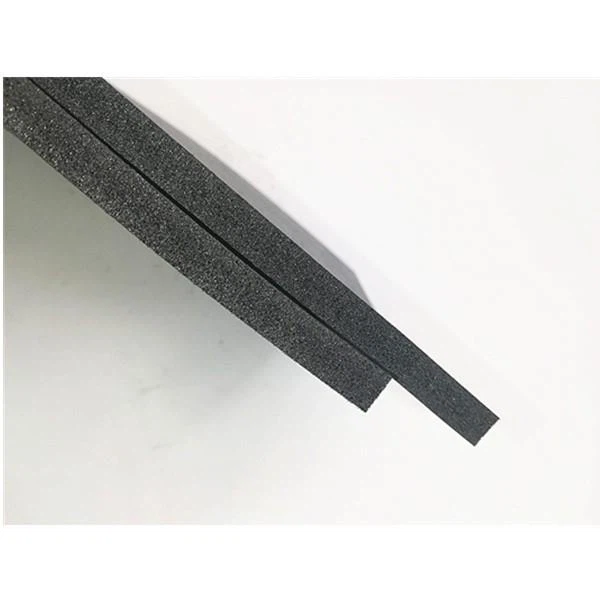
For more information about our black PVC foam sheets and to discuss your specific requirements, please feel free to reach out to us. We are here to assist you in making the best choice for your project.
References
- ASTM International. (20XX). ASTM E84 - Standard Test Method for Surface Burning Characteristics of Building Materials.
- Underwriters Laboratories. (20XX). UL 94 - Standard for Tests for Flammability of Plastic Materials for Parts in Devices and Appliances.
- Polymer Handbook. (20XX). Various authors.