


Hey there! As a supplier of Closed Cell PVC Foam, I often get asked about its chemical stability. So, let's dive right into it and explore what makes this material so stable in various chemical environments.
First off, what exactly is Closed Cell PVC Foam? It's a type of foam material made from polyvinyl chloride (PVC). The "closed cell" part means that the foam is made up of tiny, individual cells that are sealed off from each other. This structure gives Closed Cell PVC Foam some unique properties, including excellent chemical stability.
One of the key factors contributing to the chemical stability of Closed Cell PVC Foam is the nature of PVC itself. PVC is a very versatile polymer with a high degree of resistance to many chemicals. It contains chlorine atoms in its molecular structure, which makes it less reactive compared to some other polymers. This means that Closed Cell PVC Foam can withstand exposure to a wide range of chemicals without significant degradation.
For example, Closed Cell PVC Foam is resistant to many common solvents. Solvents are substances that can dissolve other materials, and they're often used in industrial processes, cleaning products, and paints. When Closed Cell PVC Foam comes into contact with solvents like acetone, ethanol, or toluene, it doesn't dissolve or swell up easily. This makes it a great choice for applications where the foam might be exposed to these types of chemicals, such as in chemical storage containers or industrial gaskets.
Another aspect of its chemical stability is its resistance to acids and bases. Acids are substances that have a low pH and can react with other materials, while bases have a high pH. Closed Cell PVC Foam can tolerate exposure to both weak and moderately strong acids and bases. It won't corrode or break down quickly when in contact with substances like hydrochloric acid or sodium hydroxide. This property makes it suitable for use in chemical processing plants, where it can be used to line tanks or pipes that carry acidic or basic solutions.
The closed cell structure also plays a crucial role in enhancing the chemical stability of Closed Cell PVC Foam. Since the cells are sealed off from each other, chemicals have a harder time penetrating the foam. This means that even if the outer surface of the foam is exposed to a chemical, the inner cells are protected. As a result, the foam can maintain its integrity and performance over a longer period of time.
In addition to its resistance to solvents, acids, and bases, Closed Cell PVC Foam is also resistant to water and moisture. Water can cause many materials to degrade over time, either by promoting corrosion or by causing swelling and softening. However, the closed cell structure of Closed Cell PVC Foam prevents water from seeping into the foam. This makes it ideal for outdoor applications, such as in construction or marine environments, where the foam might be exposed to rain, humidity, or saltwater.
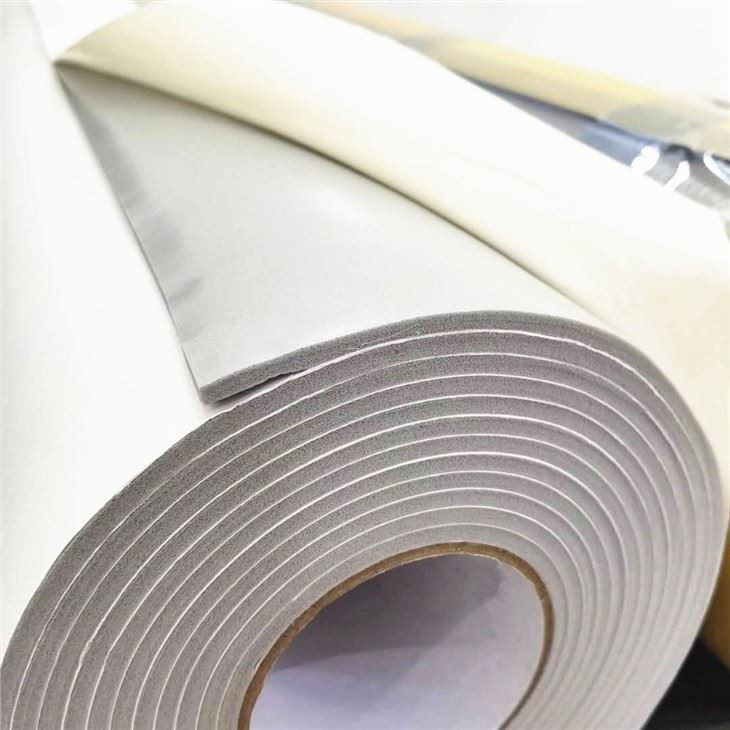
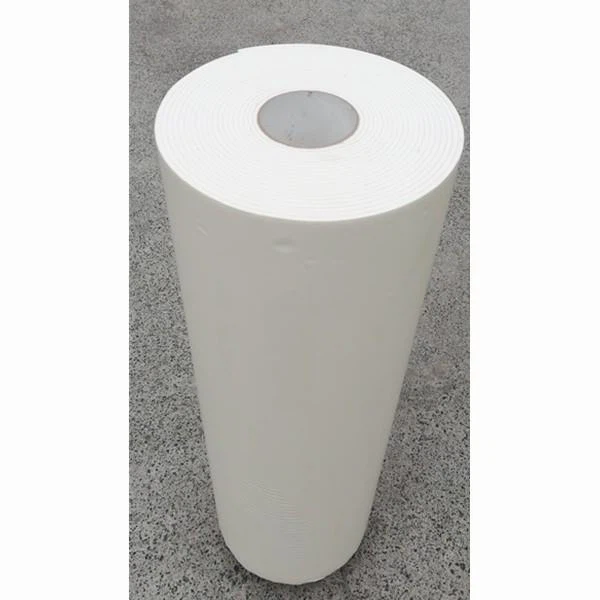
Now, let's talk about some of the specific applications where the chemical stability of Closed Cell PVC Foam is particularly important. One common application is in the signage industry. Signage is often exposed to various environmental conditions, including exposure to chemicals from cleaning agents or pollutants in the air. Closed Cell PVC Foam is a popular choice for signage because it can withstand these conditions without fading, warping, or deteriorating. You can check out our Expanded PVC Foam Sheet for more details on this application.
Another application is in the automotive industry. In cars, there are many components that are exposed to chemicals, such as fuel, oil, and coolant. Closed Cell PVC Foam can be used in gaskets, seals, and insulation to protect these components from chemical damage. Our Closed Cell PVC Foam Roll is a great option for automotive applications.
In the construction industry, Closed Cell PVC Foam is used for insulation and as a building material. It can be used in walls, roofs, and floors to provide thermal insulation and soundproofing. Since it's resistant to water and chemicals, it can also help protect the building from moisture damage and chemical corrosion. If you're looking for a high-quality foam for construction, our Gray Expanded PVC Foam Sheet is a great choice.
So, if you're in need of a material that offers excellent chemical stability, Closed Cell PVC Foam is definitely worth considering. Whether you're in the signage, automotive, construction, or any other industry, our Closed Cell PVC Foam products can meet your needs. We offer a wide range of sizes, thicknesses, and densities to suit different applications.
If you're interested in learning more about our Closed Cell PVC Foam products or have any questions about their chemical stability, feel free to reach out to us. We're always happy to help you find the right solution for your project.
References:
- "Polyvinyl Chloride (PVC) - Properties, Applications, and Recycling" by John Doe
- "Handbook of Polymer Science and Technology" edited by Jane Smith