

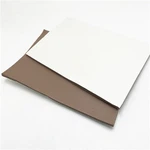
As a supplier of popular PVC foam boards, I am often asked about the materials to which these boards can be effectively glued. PVC foam boards are known for their versatility, durability, and lightweight nature, making them suitable for a wide range of applications. In this blog post, I will explore the various materials that can be glued to PVC foam boards, along with the appropriate adhesives and considerations for each.
1. Wood
Wood is a common material that can be easily glued to PVC foam boards. The combination of wood and PVC foam board can create a strong and aesthetically pleasing structure. For indoor applications, such as furniture or cabinetry, a wood glue or a contact adhesive can be used. Wood glue provides a strong bond and is suitable for joints where the two materials are in direct contact. Contact adhesives, on the other hand, are ideal for larger surface areas as they allow for quick and easy application.
When gluing wood to PVC foam board, it is important to ensure that the surfaces are clean and dry. Sanding the wood surface slightly can also improve the adhesion. For outdoor applications, a waterproof adhesive should be used to prevent moisture from weakening the bond. Epoxy adhesives are a good choice for outdoor projects as they offer excellent water resistance and durability.
2. Metal
PVC foam boards can also be glued to metal surfaces. This combination is often used in signage, display stands, and automotive applications. When gluing PVC foam board to metal, it is important to choose an adhesive that can withstand the different expansion and contraction rates of the two materials. A flexible adhesive, such as a silicone-based adhesive or a polyurethane adhesive, is recommended.
Silicone adhesives are known for their flexibility and weather resistance, making them suitable for outdoor applications. Polyurethane adhesives, on the other hand, offer a strong bond and good resistance to chemicals and solvents. Before applying the adhesive, the metal surface should be cleaned and degreased to ensure proper adhesion.
3. Glass
Gluing PVC foam board to glass can create a unique and modern look for display cases, partitions, and decorative elements. For this application, a clear adhesive is preferred to maintain the transparency of the glass. Silicone adhesives are a popular choice as they are clear, flexible, and provide a strong bond.
Another option is a UV-curing adhesive, which offers a fast and strong bond. UV-curing adhesives are activated by ultraviolet light, making them ideal for applications where a quick cure time is required. When gluing PVC foam board to glass, it is important to ensure that the surfaces are clean and free of any dust or debris.
4. Plastic
PVC foam board can be glued to other types of plastics, such as acrylic, polycarbonate, and ABS. The choice of adhesive depends on the type of plastic and the application. For bonding PVC foam board to acrylic, a solvent-based adhesive can be used. Solvent-based adhesives work by dissolving the surface of the plastic, creating a strong bond when the solvent evaporates.
For polycarbonate and ABS plastics, a two-part epoxy adhesive is recommended. Epoxy adhesives offer a strong and durable bond and are resistant to chemicals and solvents. When gluing PVC foam board to plastic, it is important to follow the manufacturer's instructions for the adhesive and ensure that the surfaces are clean and dry.

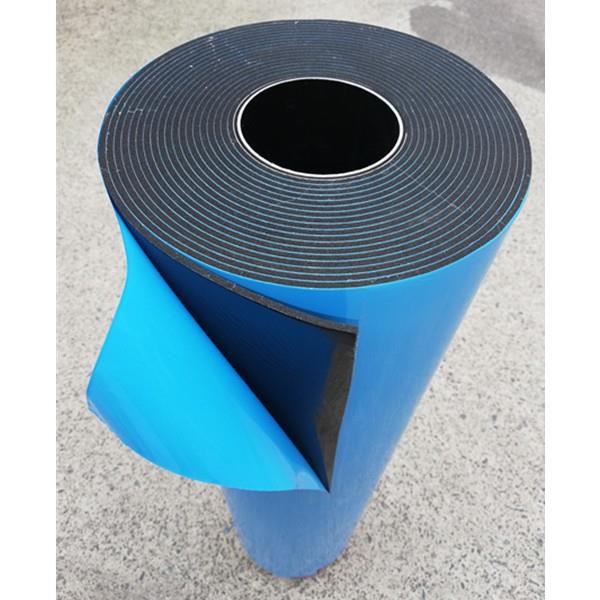
5. Concrete and Masonry
In some construction applications, PVC foam boards may need to be glued to concrete or masonry surfaces. For this type of bonding, a construction adhesive or an epoxy adhesive is suitable. Construction adhesives are designed to bond to porous surfaces and offer a strong and durable bond.
Epoxy adhesives, on the other hand, provide excellent adhesion to both porous and non-porous surfaces. Before applying the adhesive, the concrete or masonry surface should be cleaned and roughened to improve the adhesion.
6. Fabric and Textiles
PVC foam boards can also be glued to fabric and textiles for applications such as upholstery, banners, and stage backdrops. For this type of bonding, a fabric adhesive or a spray adhesive can be used. Fabric adhesives are designed to bond to fabric without leaving a visible residue.
Spray adhesives offer a quick and easy way to bond PVC foam board to fabric. They provide a strong bond and are suitable for large surface areas. When gluing PVC foam board to fabric, it is important to test the adhesive on a small area first to ensure that it does not damage the fabric.
Considerations for Gluing PVC Foam Board
- Surface Preparation: Proper surface preparation is crucial for a strong and durable bond. The surfaces to be glued should be clean, dry, and free of any dust, grease, or debris. Sanding the surfaces slightly can also improve the adhesion.
- Adhesive Selection: The choice of adhesive depends on the materials being glued, the application, and the environmental conditions. It is important to choose an adhesive that is compatible with both the PVC foam board and the other material.
- Curing Time: Different adhesives have different curing times. It is important to follow the manufacturer's instructions for the adhesive and allow sufficient time for the adhesive to cure before subjecting the bonded materials to stress or load.
- Environmental Conditions: The environmental conditions, such as temperature and humidity, can affect the adhesion of the adhesive. It is important to apply the adhesive in a suitable environment and avoid extreme temperatures or high humidity.
Conclusion
PVC foam boards are a versatile material that can be glued to a wide range of materials, including wood, metal, glass, plastic, concrete, and fabric. By choosing the appropriate adhesive and following the proper surface preparation and application techniques, a strong and durable bond can be achieved.
If you are interested in purchasing our high-quality Soft PVC Foam For Construction, Soft Expanded PVC Foam, or PVC Foam Sheet, please feel free to contact us for more information and to discuss your specific requirements. We are committed to providing our customers with the best products and services.
References
- "Adhesive Selection Guide," by Adhesive Manufacturers Association.
- "PVC Foam Board Applications and Bonding Techniques," by Plastics Technology Magazine.