

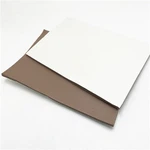
PVC foam sheet glue is a versatile adhesive that offers strong bonding capabilities for a wide range of surfaces. As a leading supplier of PVC foam sheet glue, I've witnessed firsthand its effectiveness in various applications. In this blog, we'll explore the different surfaces that PVC foam sheet glue can bond to, providing you with a comprehensive understanding of its potential uses.
Bonding to PVC Foam Sheets
One of the most common applications of PVC foam sheet glue is bonding PVC foam sheets together. PVC foam sheets are lightweight, durable, and have excellent insulation properties, making them popular in construction, advertising, and interior decoration. Our PVC foam sheet glue creates a strong and long - lasting bond between PVC foam sheets, ensuring a seamless and stable connection. Whether you're working on Insulation PVC Foam Sheet for thermal insulation or Lightweight Closed Cell PVC Foam Sheet for signage, our glue can meet your bonding needs.
The glue penetrates the porous surface of the PVC foam, forming a chemical and mechanical bond. This bond is resistant to environmental factors such as temperature changes, humidity, and UV radiation. It also provides good shock and vibration resistance, which is crucial for applications where the bonded structure may be subject to movement or stress.
Bonding to Wood
Wood is another surface that PVC foam sheet glue can bond to effectively. Wood is a natural material with a porous structure, which allows the glue to seep in and create a strong bond. When bonding PVC foam sheets to wood, it's important to ensure that the wood surface is clean, dry, and free of any dust or debris. This will help the glue adhere better and form a stronger bond.
In woodworking projects, such as furniture making or cabinetry, PVC foam sheets can be bonded to wooden frames or panels to add insulation, reduce weight, or enhance the aesthetic appeal. Our PVC foam sheet glue can withstand the stresses and strains associated with normal use of wooden furniture, ensuring that the bond remains intact over time.
Bonding to Metal
Bonding PVC foam sheets to metal surfaces is also possible with our PVC foam sheet glue. Metal surfaces are typically smooth and non - porous, which can make bonding a bit more challenging. However, our glue is formulated to have good adhesion to metal. Before applying the glue, it's recommended to clean the metal surface with a degreaser to remove any oils, dirt, or rust. This will improve the bonding strength.
In industrial applications, PVC foam sheets can be bonded to metal components for insulation, noise reduction, or as a protective layer. For example, in automotive manufacturing, PVC foam sheets can be bonded to metal panels to reduce noise and vibration inside the vehicle. Our glue provides a reliable bond that can withstand the harsh conditions in automotive environments, including high temperatures and mechanical stress.

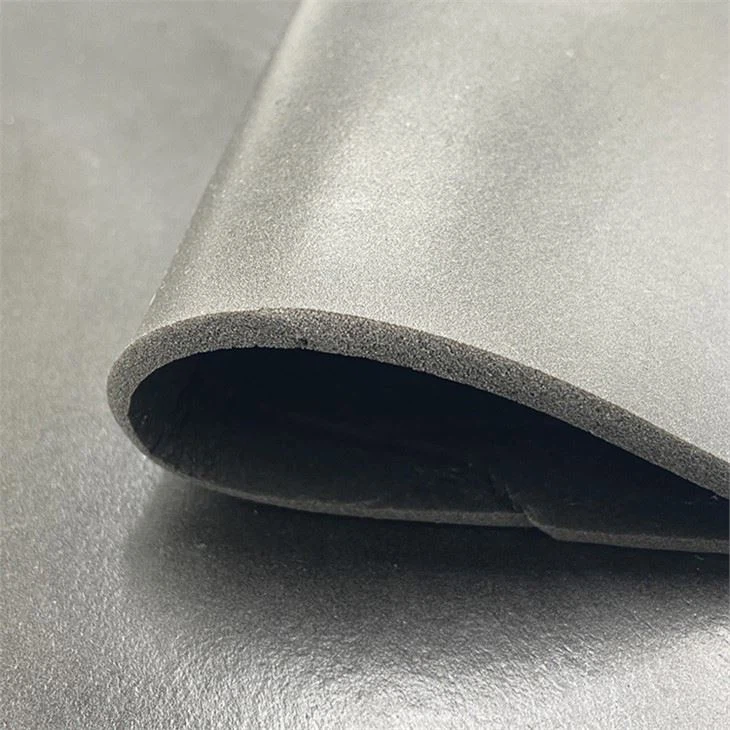
Bonding to Glass
Glass is a smooth and non - porous surface, but our PVC foam sheet glue can still form a strong bond with it. When bonding PVC foam sheets to glass, it's essential to clean the glass surface thoroughly to remove any fingerprints, dirt, or grease. A clean surface will ensure better adhesion.
In architectural applications, PVC foam sheets can be bonded to glass for insulation or decorative purposes. For instance, in glass facades, PVC foam sheets can be used to improve the thermal performance of the building. Our glue provides a clear and durable bond that doesn't affect the transparency of the glass, making it suitable for such applications.
Bonding to Plastic
PVC foam sheet glue can also bond to other types of plastics. Different plastics have different surface properties, so the bonding process may vary slightly. Some plastics may require surface treatment, such as sanding or priming, to improve the adhesion of the glue.
For example, when bonding PVC foam sheets to acrylic plastic, a smooth and clean surface is necessary. Our glue can form a strong bond between the two materials, which is useful in display cases, signage, and other applications where different plastics are combined.
Bonding to Concrete
Concrete is a porous and rough surface, which makes it suitable for bonding with PVC foam sheet glue. Before bonding, the concrete surface should be cleaned to remove any loose particles, dust, or debris. In construction projects, PVC foam sheets can be bonded to concrete walls or floors for insulation, moisture resistance, or as a decorative layer.
Our PVC foam sheet glue can penetrate the pores of the concrete, creating a strong mechanical bond. It can withstand the weight and stress associated with the building structure, ensuring long - term stability.
Considerations for Bonding
When using PVC foam sheet glue, there are several factors to consider to ensure a successful bond. Firstly, the temperature and humidity during the bonding process can affect the curing time and the strength of the bond. Our glue typically cures best at room temperature and moderate humidity levels. Extreme temperatures or high humidity can slow down the curing process or reduce the bonding strength.
Secondly, the application method is crucial. It's important to apply the glue evenly on both surfaces to be bonded. Using a brush, roller, or spray gun can help achieve an even application. Also, the amount of glue applied should be appropriate; too little glue may result in a weak bond, while too much glue can cause messy spills and longer curing times.
Finally, the curing time should be respected. After applying the glue and joining the surfaces, it's necessary to allow sufficient time for the glue to cure completely. This may take several hours or even days, depending on the type of glue and the environmental conditions.
Quality Assurance of Our PVC Foam Sheet Glue
As a supplier of PVC foam sheet glue, we are committed to providing high - quality products. Our glue undergoes rigorous testing to ensure its performance and reliability. We use advanced manufacturing processes and high - quality raw materials to produce a glue that meets the highest industry standards.
Our R & D team is constantly working on improving the formula of our glue to enhance its bonding strength, durability, and resistance to environmental factors. We also offer technical support to our customers, helping them choose the right glue for their specific applications and providing guidance on the bonding process.
Conclusion
In conclusion, PVC foam sheet glue is a highly versatile adhesive that can bond to a wide range of surfaces, including PVC foam sheets, wood, metal, glass, plastic, and concrete. Its strong bonding capabilities, combined with its resistance to environmental factors, make it suitable for various applications in construction, industrial, automotive, and decorative fields.
If you're interested in purchasing our PVC foam sheet glue, please get in touch with us to discuss your specific requirements. Our team of experts is ready to assist you in finding the best solution for your bonding needs. Whether you're working on a small DIY project or a large - scale industrial application, we have the right PVC foam sheet glue for you.
References
- “Adhesive Bonding Technology: Principles and Practice” by S. K. Mallick
- “Handbook of Adhesives and Sealants” edited by Charles A. Harper